Agentic Unconference 2026 - September 19, Chennai
View Event →


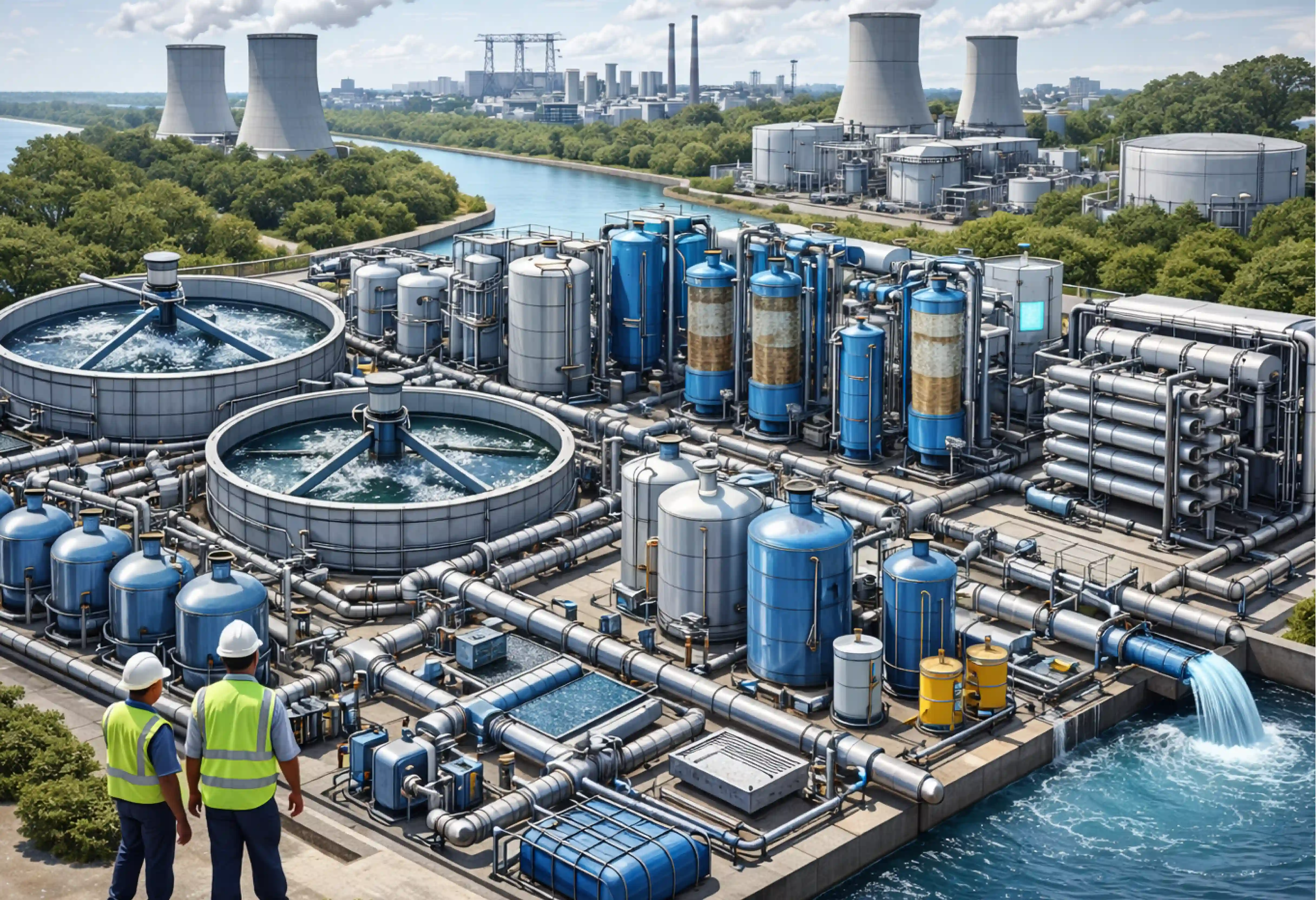


The reliance on file-based processing and manual orchestration created a rigid system. It lacked reliable reprocessing or backfill capabilities, crippling the ability to run scenario simulations or goal-seek optimizations.

Critical telemetry, such as temperature and device conditions pulled from Zoho IoT, was difficult to integrate at scale. The tightly coupled architecture prevented seamless, automated ingestion, risking upstream data delays and incomplete historical records.


We developed event-driven pipelines managed by AWS Airflow to automatically ingest raw sensor and temperature feeds directly from Zoho APIs, removing the need for manual oversight.

We built a scalable, cloud-native storage foundation that houses both raw and curated datasets, eliminating the limitations of tightly coupled legacy EC2 instances.

The modernized pipeline integrates robust forecast model training to accurately predict critical desalination parameters and continuously monitor system health.

We introduced dynamic scenario simulation capabilities, allowing engineers to run valid goal-seek optimizations for desalter performance without relying on file-based workflows.

The system ensures complete operational visibility by systematically generating reliable reports and exposing curated datasets through a highly available dashboard and API interface.


100% automated event-driven data ingestion from Zoho IoT

99% reliability in historical data reprocessing and backfilling

40% improvement in forecasting and goal-seek optimization speed