Hospitality and Travel
Mobile Performance and Platform Scalability
Modernizing Mobile Architecture for a Leading Resort Brand Using GraphQL and Microservices
A premier luxury resort brand operating a guest-facing React Native application required a full mobile architecture rebuild to support real-time travel experiences at scale. The existing platform struggled with performance bottlenecks and fragmented backend dependencies that slowed delivery and degraded the guest experience.
Talk To Our Architect
Challenge
Solution
The Outcome
The Challenge
The mobile platform required deep architectural changes while maintaining a consistent experience for active guests using the application daily.

Legacy Architecture Causing Performance Degradation

The existing React Native bridge introduced UI lag, slower rendering, and serialization overhead that affected complex screens and animations, directly impacting how guests experienced the platform.

Fragmented APIs and Tight Backend Coupling

Multiple REST endpoints and direct Salesforce connections caused data over-fetching, increased latency, and made backend changes costly to coordinate, slowing feature delivery and reducing system dependability.

The Solution
We designed and delivered a phased modernization across both the mobile layer and backend connection stack to resolve performance and growth constraints.

React Native New Architecture Migration

Transitioned from the legacy bridge to the new architecture using TurboModules and Fabric Renderer, allowing synchronous communication and smoother UI performance.

GraphQL Unified API Gateway

Replaced fragmented REST endpoints with a single GraphQL layer to consolidate data fetching and reduce frontend complexity.

Salesforce Connection via GraphQL

Removed direct frontend Salesforce calls by routing all requests through the GraphQL layer with caching and rate-limit controls.

Microservices Coordination

Aggregated responses from multiple backend microservices through GraphQL, simplifying frontend consumption and improving long-term maintainability.

Observability and Monitoring

Built improved debugging and performance monitoring across services to support faster issue resolution and sustained system stability.

The Outcome
The resort platform now delivers a faster, more dependable guest experience backed by a modern architecture built for continuous development and backend flexibility.

45% improvement in app rendering speed and UI responsiveness after migrating to the React Native new architecture with TurboModules and Fabric Renderer.

35% reduction in API latency by replacing multiple REST endpoints with a unified GraphQL gateway that removed data over-fetching and backend coupling.

50% faster feature delivery cycles achieved through decoupled microservices and a centralized API layer that removed cross-team coordination bottlenecks.


We have been working with Entrans for the last two years and they have played a key role in building our solution. Their expertise and professionalism were evident throughout the development cycle, and we were very pleased with the final product. They have shown enormous skill and vast domain knowledge and their IT expertise is reliable and trustworthy. We would recommend Entrans for anyone looking for quality IT services, delivered in a professional manner
Nikolay Prokopiev
Chief Executive Officer
Related Case studies
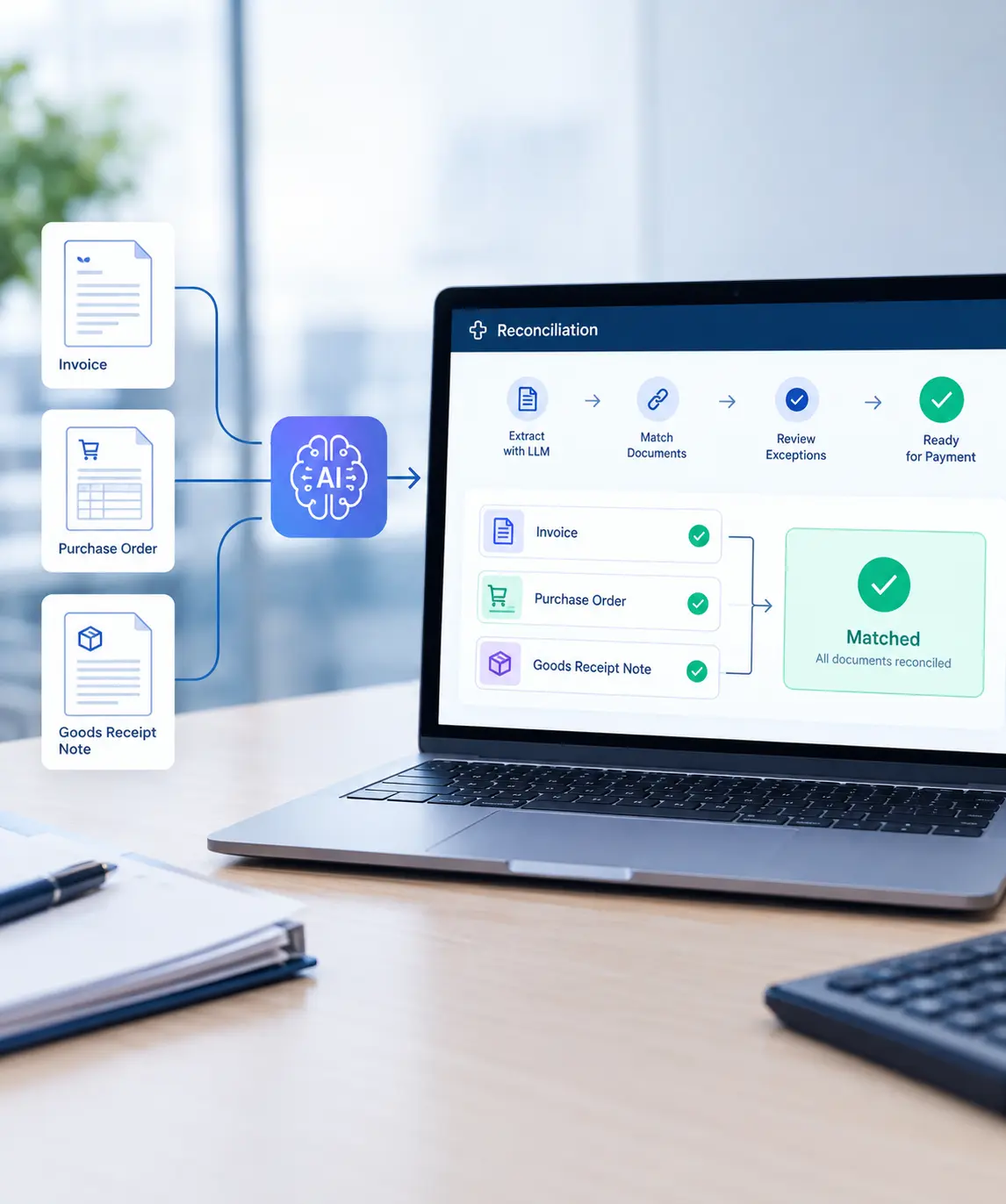
Powering an Enterprise With 200K Automated Email Workflows to Reduce Manual Effort and Improve Response Times
A large insurance enterprise managing over 200,000 customer emails annually faced increasing pressure to improve response speed and cut operational overhead. Manual processing created delays, inconsistencies, and volume-handling issues across support operations. To address this, an automated email workflow system was introduced to categorize, process, and respond to incoming requests in real time.
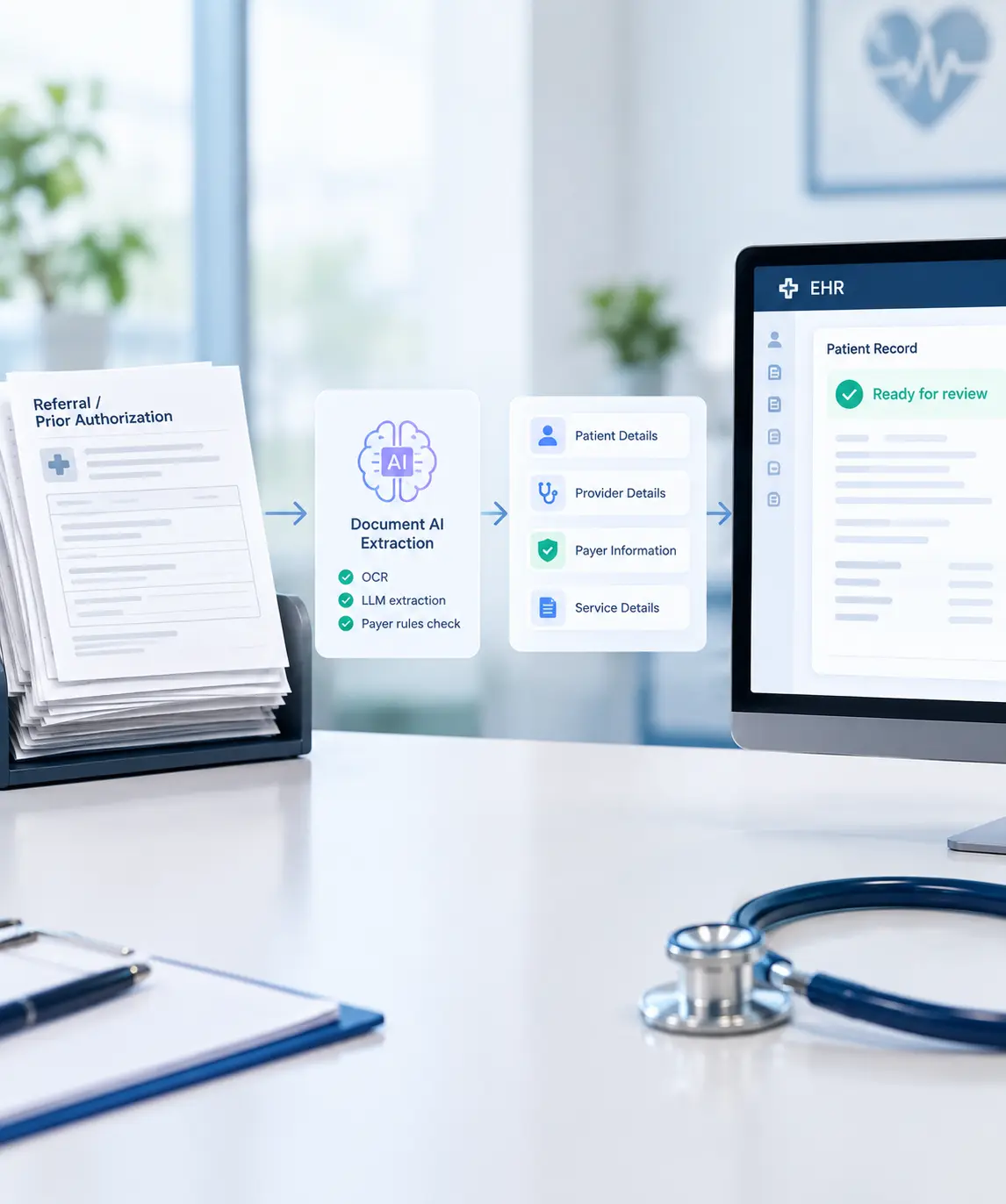
Accelerating Prior Authorization Processing with AI-Driven Data Extraction and Workflow Automation
A healthcare platform managing prior authorization workflows faced delays due to fragmented data and manual validation processes. Key information such as patient details, eligibility, and provider data was often incomplete or inconsistent, slowing down decision-making and impacting care timelines. To address this, an AI-driven automation system was introduced to extract, structure, and validate data across authorization workflows.
Load More
Link copied to clipboard !!