Discover how AI‑powered POS modernization in retail transforms checkout, inventory, and customer experience with cloud‑native systems and real‑time intelligence.


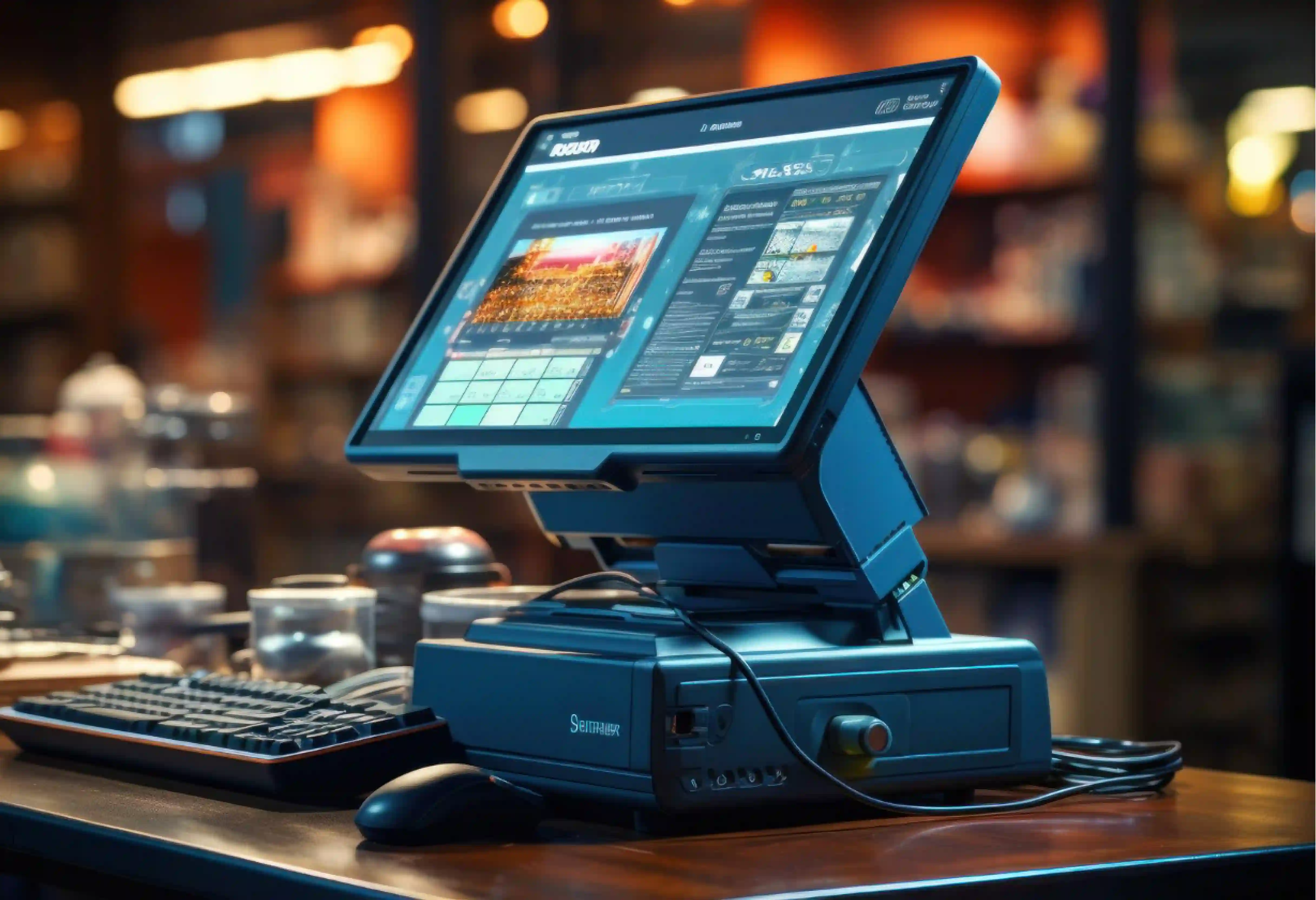


The POS system in retail no longer functions only as a place to process payments. It has become the central point of Unified Commerce where inventory logic, customer data, and personalization meet.
The FACT is that cashflow is now moving away from the physical machine and toward cloud-based logic and AI algorithms.
Which is why, moving from a rigid on-premise system to a cloud-native design gives retailers freedom.It also allows the usage of data-driven insights and real-time dataflow. Modern POS systems for retail use this shift to yield deeper insights into consumer behavior.In this guide, to help you get a better idea of this, we will go over the details of how you can handle the POS modernization process step-by-step in retail.
POS modernization serves as an architectural shift rather than a simple retail pos update. It marks a move from systems of record to systems of intelligence.
To achieve this, a flexible point of sale architecture is required to replace the rigid structures of the past.
Older and legacy POS systems use a monolithic design, where the user Interface, business rules, and database existed as one single file.
In operating like this, you create a fragile setup where a failure in one part, such as a loyalty lookup, causes the whole system to fail causing the store to lose revenue.
POS Modernization in retail breaks this using MACH architectures which is broken down into:
This change allows retailers to make new pricing logic or checkout flows without stopping business operations.
Financial gains and operational risks drive the need to update systems. Old systems stop companies from reaching their goals.
For instance, many find that legacy retail POS software cannot yield the real-time visibility needed for omnichannel success. 51% of leaders list inventory visibility as a top problem. Pre-cloud technology cannot fix this issue.
The POS market is divided into two parts. The global market for point of sale systems for retail may reach USD 110.22 billion by 2032. The Smart Retail market may reach USD 450.69 billion by 2033.
This difference shows that the intelligence layer creates the most value. Retailers who do not move their money toward modern POS systems risk spending poorly and not profiting in the newer more profitable wave of retail.
Many retailers use specific legacy platforms that create technical debt. These systems function as monoliths where the interface and data are fused.
Retail POS modernization serves as the first step to using Generative AI. 67% of leaders say Generative AI increases their cloud budgets. This spending yields clear returns:
A clear plan with POS modernization in retail lowers risk. Shutting down old systems immediately is dangerous for large retailers. The Strangler Fig Pattern serves as the best method.
The POS modernization in retail work starts with a full check of technical debt. You must find messy code and hard-coded connections that make moving difficult.
Main tasks for POS modernization in this phase:
Data delays hurt business in Unified Commerce. Nightly batch jobs do not work well enough meaning your ERP systems, order systems and POS for retail sales need to unfold in real time.
Main tasks for POS modernization in this phase:
Update the system in parts, rolling out your update all at once although it may seem impressive is the wrong way to go. By implementing your Retail POS modernization slowly you remove the old monolith and legacy system without crashing your database..
Main tasks for POS modernization in this phase:
Inject AI into the workflow once the foundation is ready. While AI seems like buzzword at this point, adding AI workflows and data retrieval can help you understand and predict sales data for your store significantly better.
Main tasks for POS modernization in this phase:
The path to POS modernization and updating systems in retail holds many challenges. These range from connecting messy code to managing human changes.
Trouble happens when retailers use e-commerce platforms for physical stores. Users say these platforms miss basic store features.
For instance, Shopify POS lacked a basic Close of Day report for balancing cash tills. This forced users to use extra apps. This adds complexity and slows things down.
Store owners fear losing internet access. If the cloud connection fails, the store cannot process transactions.
Vendors may claim to work offline, but users stay skeptical. Some solutions turn terminals into useless objects during an internet outage. Your system must have strong offline abilities.
Retail employee turnover sits near 60%. The quality of tools during POS modernization in retail affects retention. Staff may see modernization as a loss of control.
This happens when they move from a fast local interface to a slow web-based back office. Forced updates that are managed poorly cause staff to feel unhappy.
Retail leaders must use a full plan that balances technical needs with human factors.
Make sure your data is clean before moving any code. Modern architectures feed data streams into a Data Lakehouse for AI use.
If you feed new AI tools bad data, the results will be wrong and very inaccurate. Checking data before carrying out any POS modernization in retail helps stop disasters from happening after the launch.
Change management during your POS modernization process matters as much as managing technology in your retail stores and platforms.
Do not change everything at once. With POS modernization in retail, start small. Launch the new POS for a single function like a pop-up store or a specific service.
This test lets the team check technical work and get user feedback before expanding your newer POS systems for retail all-in-one, leading to potential downtime or system failures that cost your company valuable revenue.
Updating the POS marks a big moment for the retail industry. POS modernization in retail companies, moves retail from transaction processing to intelligent engagement. Three main trends define the future.
One major trend for retail POS modernization is moving from dashboards to Agentic AI. AI agents will handle purchase order steps like checking vendor details and confirming budgets.
This removes humans from routine buying tasks. These agents answer questions like Where is my shipment by using data from logistics providers.
WIth the usage of SoftPOS in newer retail POS modernization, the need for expensive hardware drops. SoftPOS technology lets standard smartphones accept NFC payments on the screen.
This opens up the POS to everyone. Any staff member can become a mobile register.
Future systems connect smoothly with the Internet of Things. RFID readers scan baskets without barcodes.
Biometric payments like palm scanning increase security. Electronic Shelf Labels update prices instantly via the POS pricing engine. This allows your retail POS modernization to achieve dynamic pricing in real time for your company meaning higher purchases at the most optimal pricing.
Entrans specializes in guiding retailers through this complex shift, especially having worked with Fortune 500 and Fortune 2000 companies for modernization.
Our team of experts can help you roll out system wide implementation for POS systems across different techstacks and platforms - from deep code audits to data hygiene and setting up Agentic AI tools.
Instead of a risky overnight switch, we build a phased roadmap that protects your revenue.
Want to have a market advantage? Choose Entrans to turn technical debt into quicker workflows and data driven insights. Schedule your free consultation today!
POS modernization involves upgrading legacy monolithic Point of Sale systems to flexible cloud-native architectures moving from a system of record to a system of intelligence. This supports Unified Commerce and real-time data streaming.
A POS system was once just a place to pay. Now it acts as the central hub of retail operations. It connects inventory logic, customer data, and operational workflows.
Practitioners categorize POS systems into four main types, starting with Legacy Monolithic systems that rely on rigid, on-premise hardware and hard-coded structures. Modern alternatives include Cloud-Native platforms like Shopify for remote access and Mobile POS (mPOS) tablets that enable service anywhere in the aisle. The newest innovation, SoftPOS, further simplifies operations by transforming standard smartphones into payment terminals without the need for extra hardware.
A modern POS system uses MACH principles: Microservices, API-first, Cloud-native, and Headless, these typically use real-time data streaming with tools like Apache Kafka that connect with CRM platforms and uses AI tools for inventory and personalization.
While the text highlights the Strangler Fig Pattern, industry standards for moving to the cloud often list Rehost, Refactor, Rearchitect, Rebuild, and Replace. In retail POS, this means moving applications to the cloud or breaking monoliths into microservices. It also involves replacing legacy parts with commercial SaaS solutions.
Yes. This concept is called SoftPOS and It lets Android or iOS devices accept NFC payments on the screen. This POS system in retail can allow stores and companies to use mobile checkouts without buying expensive hardware.


-1.svg)