> Blog >
Moving Mainframe Applications to Cloud: A Technical Guide for Architects and Engineering Teams
A technical guide for architects on moving mainframe applications to cloud, covering the 6 Rs, COBOL refactoring, data integrity, and top migration tools.

Moving Mainframe Applications to Cloud: A Technical Guide for Architects and Engineering Teams

4 mins
March 27, 2026
Author
Saran
TL;DR
  • The biggest reason mainframe migrations fail is not the technology, it is the approach. Teams that attempt a full rewrite in one go watch their 12-month, $5 million project balloon into a 36-month, $15 million ordeal that never ships.
  • Before a single line of code moves, architects need 8 to 12 weeks of automated discovery to uncover hidden business logic, dead code, and deep JCL dependencies that no one ever documented.
  • Not every workload needs to leave the mainframe. The 6 Rs framework helps teams decide what to rehost, refactor, replace, or simply wrap in a modern API and leave exactly where it is.
  • Data integrity is the silent killer of application migrations. The EBCDIC to ASCII conversion alone can silently corrupt packed decimal values and destroy mathematical precision across millions of daily transactions.
  • For legacy systems and well recognised brands, moving mainframe applications to cloud can be a daunting and intimidating task.

    Industry analysts forecast that by the year 2025, an overwhelming 95% of all data workloads will be hosted on cloud-native platforms. And a HUGE reason for that is because it helps make overheads a lot more affordable and more agile improvements later on.

    In fact, data indicates an ROI of up to 362% for migrating applications entirely off legacy hardware to distributed environments!

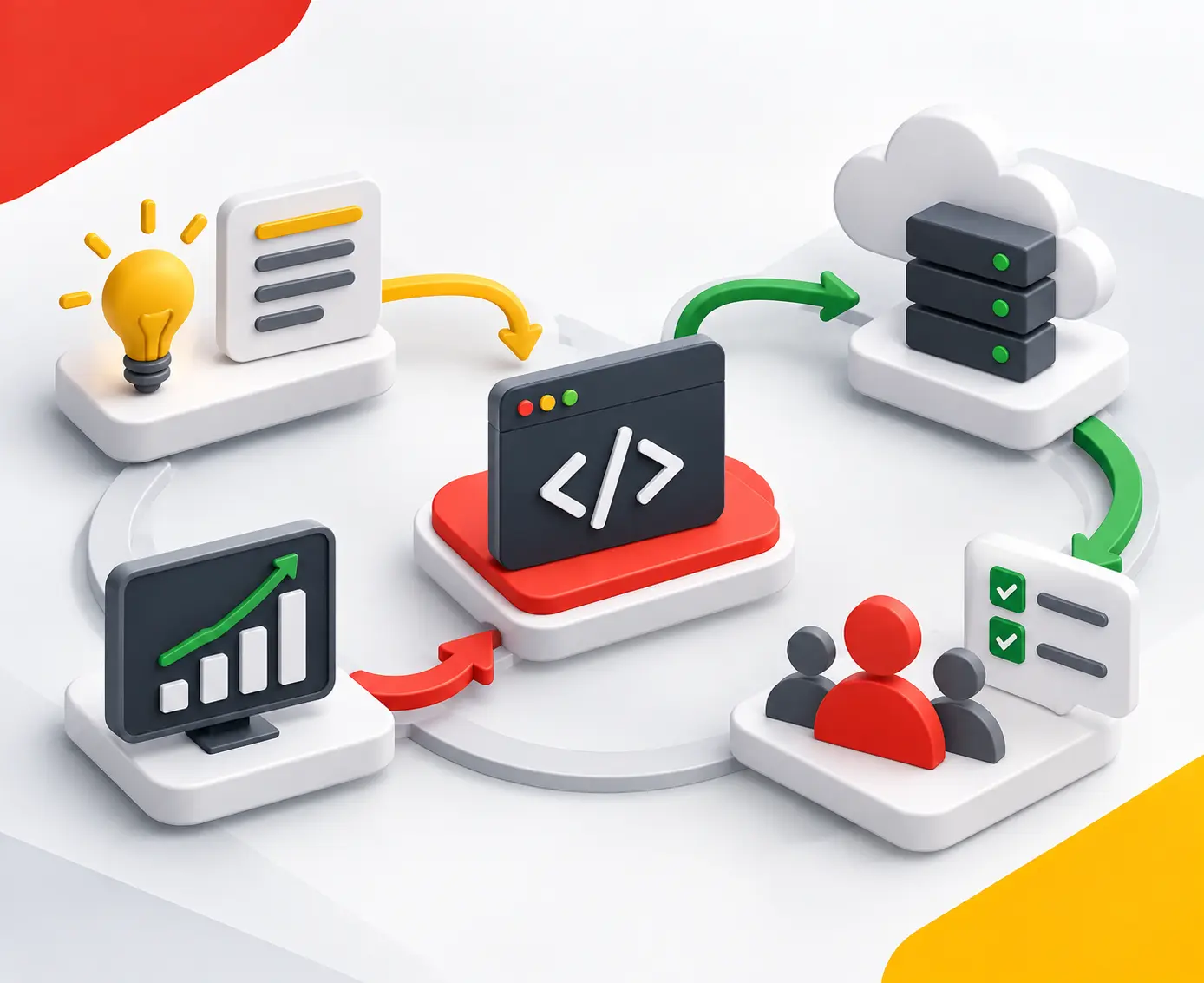
    So to help you get an idea, here’s how the step-by-step process for moving mainframe applications to cloud works:

    Table of Contents

      Why Application Migration Is the Hardest Part of Any Mainframe to Cloud Project

      Enterprise architects universally point out application migration as the most difficult, perilous phase of any mainframe modernization initiative. The main reasons moving mainframe applications to cloud turns out so hard include:
      1. Incompatible Computing Systems: The resistance engineering teams run into stems not merely from a change in programming languages, but from completely  incompatible computing paradigms.
      2. Legacy architecture: Older systems are tightly coupled by design, reliant on shared memory spaces, and built to carry out centralized execution. Distributed cloud environments, conversely, prioritize eventual consistency, network-based API communication, and ephemeral compute instances that spin up and down.
      3. Trying to Roll-out in One Go: A primary cause of failure in these initiatives comes from leaning on a big bang rewrite method. Attempting to manually re-architect and rewrite an entire collection of legacy COBOL or PL/I programs leaves out the reality of undocumented business rules. This frequently results in projects that blow up from an initial 12-month, $5 million projection into a 36-month, $15 million+ ordeal that ultimately falls through.
      Open Popup

      Step 1: Build Your Application Inventory and Dependency Map

      The first step in moving mainframe applications to cloud is a strict assessment and discovery phase. Without a completely accurate inventory, teams risk moving over incomplete business logic.

      They might also carry over decades of technical debt into their new cloud environments. Legacy systems often contain millions of lines of code. The discovery process cannot fall back on manual code reviews.

      • Automated Analysis: Architects must use automated static code analysis and parsing tools to read through the legacy source code.
      • Data Flow Mapping: The discovery phase maps out how data moves through the system. This points out reads and writes to VSAM files, IMS databases, and relational Db2 tables.
      • Technical Debt: Decades of continuous operation pile up dead code. Teams must track down and strip away this obsolete code.
      • Dependency Mapping: A proper map shows off deep interdependencies from JCL scripts. This helps architects figure out safe decoupling points.

      Step 2: Categorize Applications: Migration Candidates vs. Mainframe-Native

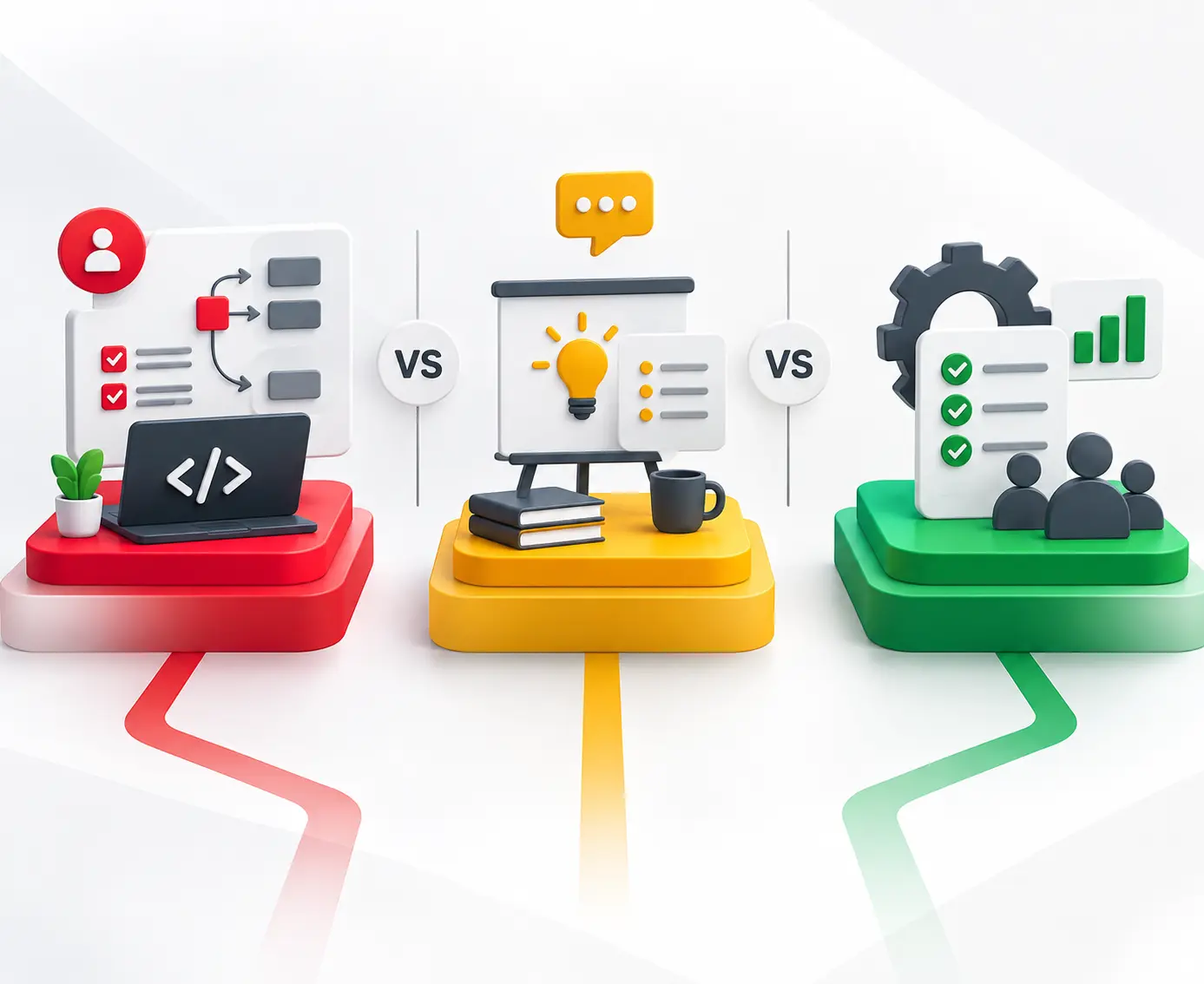
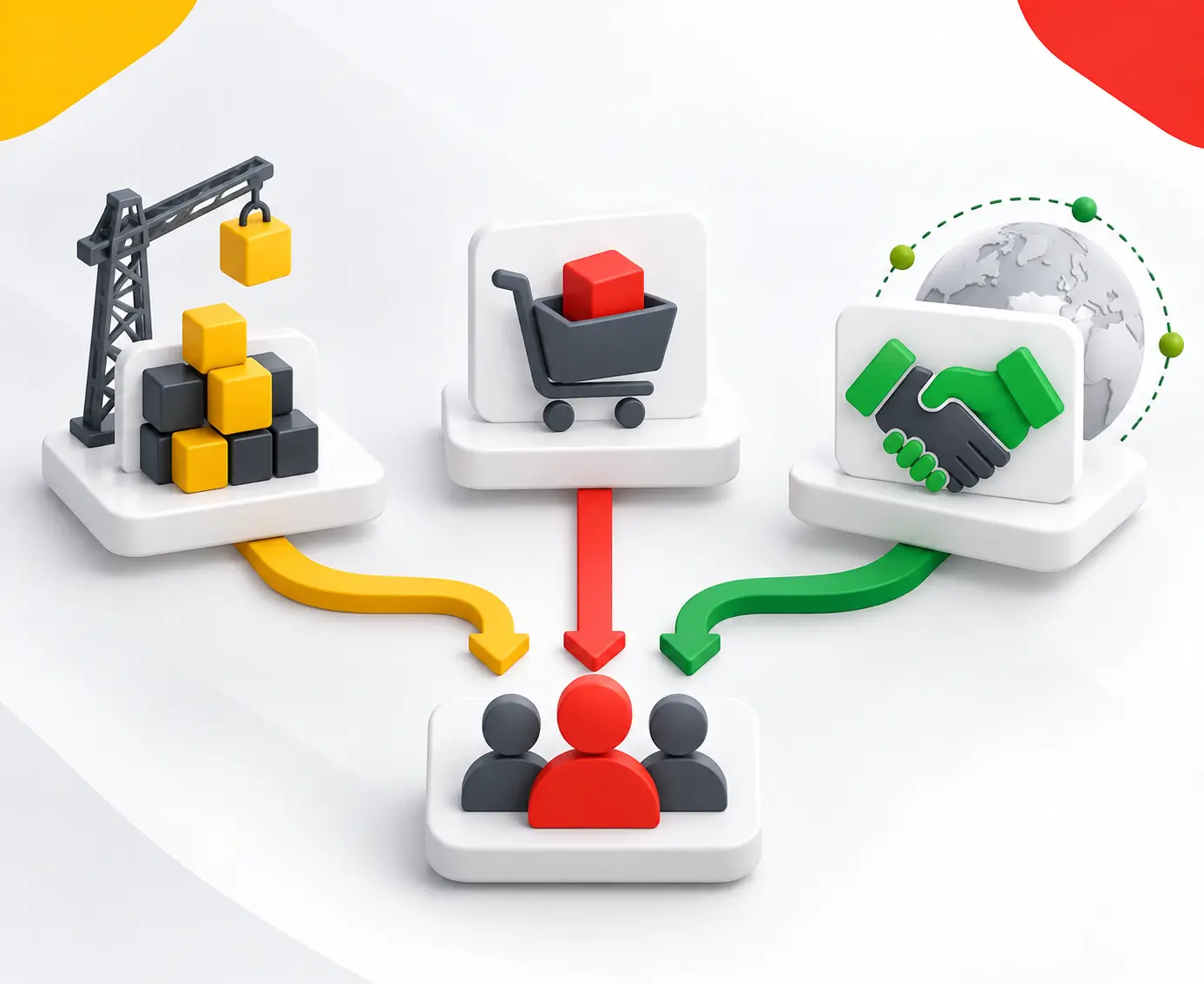
      Workloads must be broken down based on their business value, technical complexity, risk tolerance, and regulatory compliance requirements. The standard architectural framework for this step of moving mainframe applications to cloud is the 6 Rs strategy. The categories are Rehost, Replatform, Refactor, Replace, Retire, and Retain.

      • Retain: This means keeping the application on the mainframe but opening up logic via modern RESTful APIs. This works best for high-volume transaction processing where sub-millisecond latency is absolutely necessary.
      • Rehost: This lifts and shifts the application code exactly as-is over to a cloud-based runtime emulator.
      • Refactor: This acts as a full structural redesign. The process turns legacy code into cloud-native object-oriented languages rolled out as microservices.
      • Replace: This means shutting down the bespoke legacy code entirely. Teams then switch over to commercial off-the-shelf SaaS solutions.

      Step 3: Choosing for COBOL and PL/I Applications: Rehost, Refactor, or Replace?

      When targeting COBOL, PL/I, or RPG codebases, architects face a technical fork in the road when moving mainframe applications to cloud. Why? Well, Rehosting relies on specialized middleware to serve up native runtime emulation on distributed cloud virtual machines. 

      • Because the original COBOL programs run natively within this emulator, rehosting serves as a validated, intermediate risk-lowering step. The method calls for absolutely no changes to the legacy source code.
      • Refactoring, however, stands for a true modernization by fundamentally rewriting procedural legacy languages into Java or C#. Figuring out the exact correctness of a manual COBOL-to-Java translation proves inherently difficult and almost always falls apart.
      • Consequently, businesses are increasingly falling back on automated, AI-assisted refactoring engines to manage the changeover.
      • For instance, the U.S. Department of Defense brought in automated refactoring to translate 1.3 million lines of 50-year-old COBOL code into Java successfully.

      Step 4: Handling Batch Jobs, CICS Transactions, and Tightly-Coupled Workloads

      Mainframe environments excel at two different computational tasks: concurrent execution of sequential batch workloads, and high-throughput online transaction processing. Decoupling tightly-bound legacy programs calls for specific patterns:

      • Standalone API Pattern: A shared legacy program is put into a standalone API facade layer. Dependent apps are then shifted over to the cloud.
      • Shared Library Pattern: A shared COBOL program acting as a utility turns into a common Java library.
      • Phased Wave Migration: Applications are broken apart. They are moved out in distinct, planned waves using bridging connections.
      • CICS vs. Batch: CICS uses a pseudo-conversational model. This model calls for horizontal scale-out in the cloud. Batch workloads run on the Job Entry Subsystem (JES). These are highly I/O intensive and scale up well vertically.

      Step 5: API Setup: Wrapping Mainframe Logic Without Full Refactoring

      For workloads categorized as Retain, API setup opens up a good way to modernize the mainframe in-place. This plan lets modern cloud-native applications consume legacy business logic. The setup helps pull off moving mainframe applications to cloud without high-risk rewriting.

      • Architects roll out wrappers with connection gateways. These wrap up existing CICS or IMS transactions as standard RESTful web services.
      • Event-based messaging is also set up using middleware brokers like IBM MQ. This aids in asynchronous communication.
      • In scenarios where source code is frozen or API access is impossible, Robotic Process Automation (RPA) tools can interface directly with 3270 terminal emulators.

      Step 6: Data Migration Alongside Application Migration: Keeping Integrity Intact

      A flawless application migration falls apart if your data becomes corrupted. Maintaining strict data integrity stands out as the single biggest risk factor during execution.

      Mainframe data rarely resides in simple relational tables. The information usually ends up stuck in hierarchical databases or VSAM datasets.

      • The main challenge in moving mainframe applications to cloud boils down to the compute-intensive conversion from EBCDIC to ASCII or UTF-8. Basic translation corrupts alphanumeric sorting. The simple conversion also wipes out packed decimal values.
      • Long before transfer, teams must dig into data profiling. This helps root out missing values.
      • During execution, engineering teams tap into Change Data Capture (CDC) technology to replicate data incrementally. This lets parallel runs check off mathematical exactness before cutting over.

      Top Tools for Moving Mainframe Applications to Cloud (AWS Transform, OpenFrame, OpenText)

      The vendor ecosystem puts out a range of highly specialized tools. These are tuned up for different migration methods.

      Automated Refactoring and AI Tools

      1. AWS Transform

      AWS Transform serves as an intelligent, purpose-built engine. The platform carries out deep codebase analysis. The system automatically refactors monolithic COBOL workloads into cloud-optimized Java Spring Boot applications.

      Most importantly, the tool guarantees bit-identical outputs to the original COBOL. This opens up flawless regression testing for enterprise engineering teams moving mainframe applications to cloud.

      2. IBM Watsonx Code Assistant for Z

      IBM Code Generation for Z works with generative AI models. These are specifically fine-tuned on mainframe patterns and legacy languages like COBOL and PL/I.

      The assistant incrementally translates code to Java. The service hooks up directly with IBM ADDI. This wards off the AI hallucinations common in generic models when moving mainframe applications to cloud.

      3. Astadia

      Astadia relies on a proprietary Rules-Based Transformation Engine to carry out mass source code changes.

      This sets up an end-to-end framework from static discovery to final execution on Azure, AWS, or Google Cloud for moving mainframe applications to cloud.

      Rehosting and Replatforming Emulators

      1. OpenText Enterprise Server

      This OpenText Enterprise Server serves up native COBOL, PL/I, and JCL runtime emulation on distributed servers like AWS EC2 or Azure.

      The software asks for absolute zero source code modification. The system steps in as a highly validated intermediate derisking step. The emulator is highly regarded for regulated environments where strict functional equivalence is legally required.

      2. TmaxSoft OpenFrame

      OpenFrame by TmaxSoft draws on advanced compiler technology to run UI, logic, and data natively in open environments.

      The platform swaps out CICS, JCL, and IMS for standards-based equivalents. The product props up a massive enterprise-grade scale of over 100K MIPS.

      API Setup Gateways

      1. OpenLegacy Hub

      OpenLegacy gets around traditional middleware by plugging directly into the legacy stack.

      The hub leans on machine learning to map out dependencies. The tool auto-generates REST/Kafka APIs. This significantly knocks down network latency and shores up safe, phased coexistence when moving mainframe applications to cloud.

      Hiring Experts to Move Mainframe Applications to Cloud

      At Entrans, we map out mainframe migration as a precise and technical process - turning the move into less of a risky change.

      This takes on the most complex COBOL and PL/I environments without throwing off primary business rules when moving mainframe applications to cloud.

      Having partnered up with Fortune200 clients, banks, and healthcare providers, the Entrans team also understands the weight that these migrations carry.

      Want to get a roadmap for moving your mainframe application to the cloud? Book a free consultation call!

      Share :
      Link copied to clipboard !!
      Move Your Mainframe Applications to Cloud Without Losing Business Logic
      Entrans has navigated Fortune 200 migrations, banking systems, and healthcare platforms through every step of this process.
      20+ Years of Industry Experience
      500+ Successful Projects
      50+ Global Clients including Fortune 500s
      100% On-Time Delivery
      Thank you! Your submission has been received!
      Oops! Something went wrong while submitting the form.

      FAQs on Moving Mainframe Applications to Cloud 

      1. What is the fundamental architectural difference between Rehosting and Replatforming?

      Rehosting lifts and shifts the mainframe application exactly as-is into a cloud-based runtime emulator. This calls for no changes to the legacy source code. Replatforming pushes ahead a step further by updating the underlying hardware layer. An example means moving execution over into managed Linux containers. This keeps primary business logic intact.

      2. What are the realistic costs and timelines for a mainframe-to-cloud migration?

      Timelines can stretch out from a few weeks for targeted API setup to several years for full, enterprise-wide refactoring. Budgets range from a few thousand dollars for pilots to well over $100 million for multinational systems. These are systems attempting to break away from the mainframe entirely.

      3. How do engineering teams maintain data integrity during a complex migration?

      Data integrity starts with pre-migration data profiling.This helps to clean historical inconsistencies. During migration, teams tap into Change Data Capture (CDC) for continuous replication. These teams typically run systems in parallel to prove calculated outputs turn out mathematically identical.

      4. If cloud computing is so advanced, why do enterprises choose not to migrate fully off the mainframe?

      Modern IBM Z mainframes continue to churn out unparalleled stability, physical security, and sub-millisecond I/O processing for high-volume transactions. Primary systems are often held onto simply to ward off the massive risk of downtime. This leads into hybrid phased coexistence plans.

      Hire Engineers Who Speak Both COBOL and Cloud Native
      Our team brings rare dual expertise across legacy mainframe environments and modern distributed architecture so your migration does not become a rewrite disaster.
      Free project consultation + 100 Dev Hours
      Trusted by Enterprises & Startups
      Top 1% Industry Experts
      Flexible Contracts & Transparent Pricing
      50+ Successful Enterprise Deployments
      Saran
      Author
      Saran is the Co-Founder & Vice President at Entrans Inc., recognized for his deep expertise in GenAI, SaaS, and digital transformation. He is responsible for shaping innovative IT solutions, partnering with global clients to deliver growth strategies, and fostering customer-centric partnerships. Saran's core strengths lie in business strategy, sales management, and driving sustainable success for organizations.

      Related Blogs

      Moving Mainframe Applications to Cloud: A Technical Guide for Architects and Engineering Teams

      A technical guide for architects on moving mainframe applications to cloud, covering the 6 Rs, COBOL refactoring, data integrity, and top migration tools.
      Read More

      The Ultimate Mainframe to Cloud Migration Cost Breakdown (2026 Guide)

      Mainframe to cloud migration costs range from $3M to $45M. See the full cost breakdown by phase, TCO comparison, and what drives 287% budget overruns.
      Read More

      AngularJS to Angular Migration: A Complete Step-by-Step Guide for Enterprises (2026)

      AngularJS to Angular migration guide with strategies, steps, costs, and best practices to modernize legacy apps and improve performance and security.
      Read More