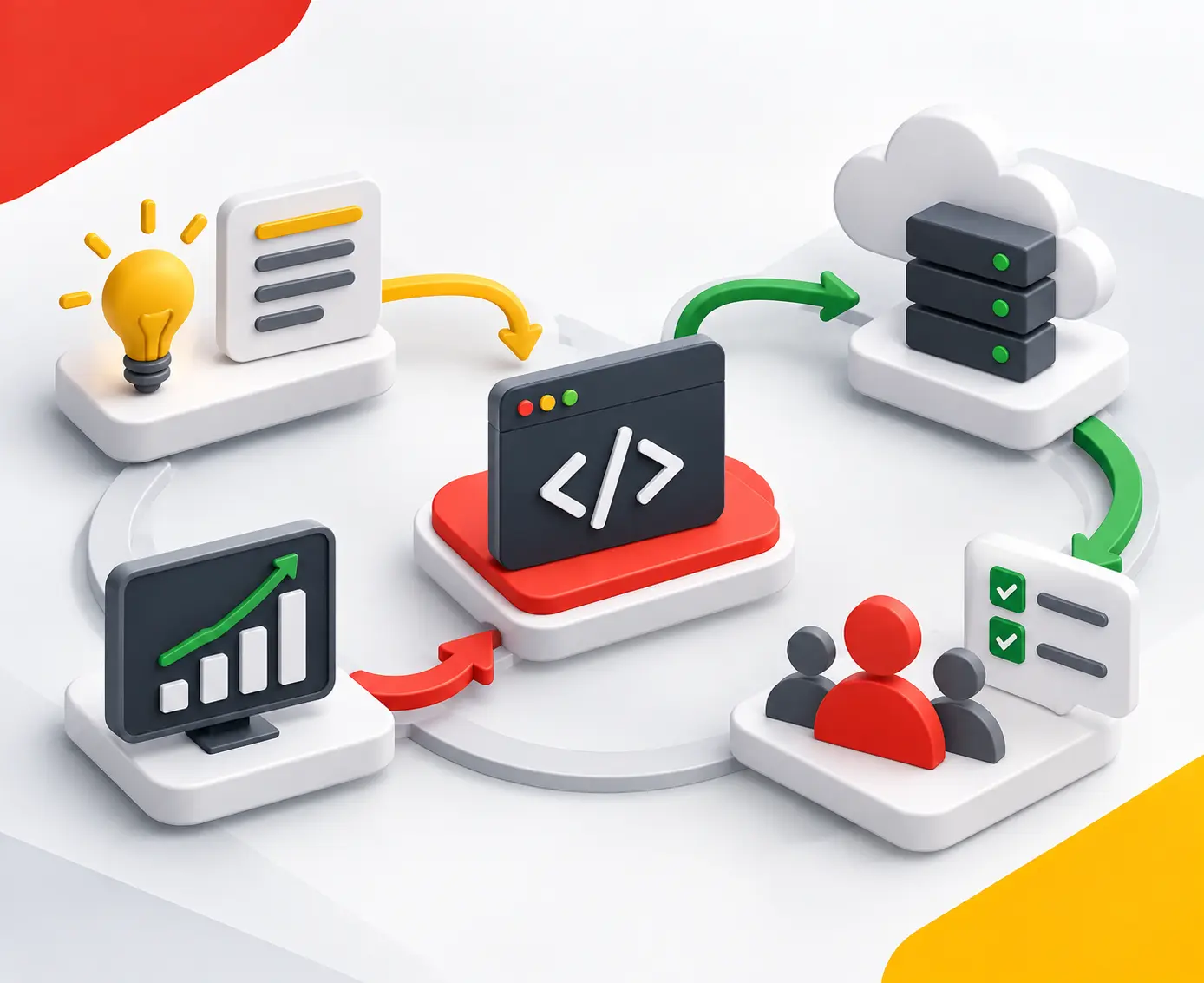
Oracle Forms has been a trusted tool for building data-driven applications for decades. However, as technology evolves, it's essential to modernize legacy systems to remain competitive and efficient.
Why Should You Migrate From Oracle 6c to 12c?
The primary goal of this project Entrans undertook was to transition from the outdated Oracle Forms 6c environment to the more advanced Oracle 12c platform for our client.
What this migration does is help with better performance, improved user experience, and compatibility with modern technologies while maintaining the application's core functionality.
What are the Main Steps in Oracle Legacy Form Migration?
1. Assessment of Your Existing Ecosystem
Before diving into the migration, a thorough assessment is crucial. This step involves evaluating the existing Oracle Forms 6c architecture, codebase, and database dependencies. By understanding how the current system works, we can:
- Identify obsolete components.
- Highlight areas that need modernization.
- Determine compatibility challenges with Oracle 12c.
This phase sets the foundation for a smooth migration process by pinpointing potential roadblocks early on.
2. Planning and Migration
The migration process has two main tasks: upgrading the forms and migrating the database. Here’s how it works:
- Upgrade to 12c Compatibility: Each of the 4000 Oracle Forms screens must be updated to meet with the requirements of Oracle 12c. This includes rewriting or adjusting code and components that are no longer supported.
- Database Migration: The database behind Oracle Forms also needs an upgrade. This step makes sure that data from the legacy system transitions smoothly to the new Oracle platform without losing integrity or functionality.
3. Optimizing Performance and User Experience
Migrating to Oracle 12c isn’t just about compatibility; it’s also an opportunity to improve the system. Optimization includes:
- Modernizing the User Interface (UI): Updating the look and feel of the forms to meet current UI/UX standards.
- Performance Improvements: Enhancing speed and scalability to handle larger datasets and more users efficiently.
- Simplified Maintenance: Streamlining the system’s architecture to make future updates easier.
4. Validation and Testing Functionality
After the migration, validation makes sure that everything works as expected. This phase includes:
- Testing Functional Parity: Verifying that all 4000 forms operate just as they did in the 6c version.
- Data Integrity Checks: Making sure that no data was lost or corrupted during the migration.
- Workflow Verification: Confirm that all processes function as intended, with no interruptions.
- Performance Testing: Identifying and resolving any bottlenecks or slowdowns.
5. Deployment of Your Modernized Oracle Forms
Once testing is complete, it’s time to deploy the new system. Deployment involves:
- Rolling Out the Solution: Introducing the updated Oracle Forms 12c application with minimal disruption to daily operations.
- Post-Migration Support: Providing assistance to users and addressing any issues that arise after the transition.
- Training: Educating users on the new system to make sure there is a smooth adjustment period.
What Can You Expect When Migrating from Oracle Forms 6c to 12c?
Migrating from 6c to 12c introduces opportunities to modernize legacy code, adopt new UI features, and improve functionality with other Oracle solutions like WebLogic Server. What this also does, is add scalability and support for cloud-ready deployments for a more future-proof environment for business applications.
- A fully migrated and optimized Oracle Forms application running on the 12c platform.
- Detailed documentation of the entire migration process, including code changes and database mappings.
- Comprehensive test plans and reports that demonstrate functional and performance improvements.
What are the Major Challenges to Address When Migrating
Migrating from Oracle Forms 6c to 12c is not without its challenges. Here are some obstacles and how they can be managed:
Legacy Code Complexities
Older systems often have intricate codebases with dependencies that can be hard to untangle. Addressing this requires careful analysis and testing.
Migrating from Oracle 6c to 12c also needs adjustments for deprecated features and syntax changes to make sure there is compatibility. Additionally, handling large-scale stored procedures and triggers requires tailored strategies to optimize performance in the new environment
- Identify and document interdependencies across modules using tools like Oracle SQL Developer or third-party static code analyzers to streamline refactoring.
- Use automated testing frameworks to validate functionality after code modifications, ensuring backward compatibility and consistency.
Minimizing Downtime
This refers to making sure that users experience as little disruption as possible. How do you do this? Well, you plan the migration during off-peak hours and by using phased rollouts.
Using backup and recovery solutions like Oracle RMAN adds a layer of safety to restore data if needed quickly. Coordination with middleware and application layers ensures seamless transition without breaking dependent workflows.
- Set up a parallel testing environment to validate the migrated system before it goes live, making sure there end-to-end workflow compatibility.
- Use Oracle GoldenGate or database replication tools to synchronize data in real time during the transition, reducing cutover time.
Best Practices Compliance
Following Oracle’s recommended practices for 12c helps with long-term stability and supportability. Additionally, regular patch updates and version certifications must be planned to function with the evolving Oracle ecosystem.
- Use Oracle Real Application Testing (RAT) to simulate workload scenarios and identify potential issues proactively.
- Make sure that all PL/SQL code is optimized for 12c features, such as enhanced result caching and improved query optimization.




-1.svg)