> Blog >
How to Build an AI Model Inventory for Banking Regulatory Compliance
How to build an AI model inventory for banking regulatory compliance: capture every model, uncover shadow AI, risk-tier, and stay audit-ready.

How to Build an AI Model Inventory for Banking Regulatory Compliance

4 mins
June 26, 2026
Author
Aditya Santhanam
TL;DR
  • The definition of a "model" now includes AI, LLMs, and autonomous agents, so the spreadsheets most banks rely on are already missing large parts of their footprint. The biggest gaps are shadow AI built outside governance and embedded AI hidden inside vendor products.
  • Regulators now expect the inventory to be a living, audit-ready source of truth, not a document refreshed right before an exam. Frameworks like the EU AI Act, NIST AI RMF, and ISO 42001 push for dynamic tracking of purpose, ownership, data lineage, and risk tier.
  • Risk-tiering into high, medium, and low decides how much validation, monitoring, and approval each model needs, and tiers must be revisited as models, data, and use cases change.
  • Automated inventory wins at scale. A three-layer architecture (discovery, context and registry, enforcement and monitoring) continuously finds shadow AI, logs lineage, and can act as a kill switch when an agent crosses safety boundaries.
  • The Model inventory requirement is not new, but the definition of it has changed by including AI and ML. Because the official definition of a model now includes advanced AI and ML systems, legacy spreadsheets are silently failing to capture the full enterprise footprint. This blueprint is designed for banking leaders tasked with modernizing their model risk management inventory. 

    This guide provides an actionable roadmap on how to build an AI model inventory for banking regulatory compliance for bank risk officers, compliance teams, and CTOs.

    Table of Contents

      What is an AI Model Inventory, and What Regulators Expect

      An AI Model Inventory (or Model Risk Management Inventory) is a centralized registry of every Artificial Intelligence and Machine Learning model used across an organization. Through this, one can get visibility into where models are deployed, what they do, who owns them, the data they use, and the risks they introduce. Basically, it serves as the foundation of effective model governance.

      Without inventory, organizations struggle to track the model usage, monitor performance, manage risk, and demonstrate compliance.

      What Regulators Expect 

      Regulators increasingly expect firms to maintain a current inventory of AI and predictive models. The EU AI Act and major frameworks such as NIST AI RMF and ISO 42001 expect this AI Model Inventory to be a dynamic and audit-ready source of truth. The Model inventory template should include key information such as model purpose, business owner, development team, data sources, validation status, risk rating, deployment environment, and history of approval.

      • Risk Categorization: All models have to be labeled for their risk category, including high, limited, and minimal risk, to figure out what downstream safeguards are needed.
      • Data Provenance and Lineage: Information about sources of training data, their quality, and biases or limitations needs to be kept on record.
      • Audit Trails and Accountability: Most importantly, regulators need to see some amount of human oversight, as well as tracking versions and logs.

      How AI Model Inventory helps

      A well-maintained AI Model Inventory helps organizations understand their model landscape, identify gaps in governance, and respond quickly to regulatory inquiries. Overall, it creates a reliable foundation for model risk management, ensuring that AI systems remain transparent, controlled, and aligned with regulatory expectations as they evolve.

      Why most bank model inventories are already incomplete

      Almost all of the banks believe that they have a complete model inventory because they track officially approved methods. But due to the explosion of generative AI, open-source LLMs and cloud-integrated tools have shattered those old frameworks. AI Model inventory is fundamentally incomplete due to regulatory and operational risk.

      Why Traditional Bank Inventories Fail

      The main issue is that traditional Model Risk Management (MRM) workflows were built for the legacy era and are slow and rigid, with self-reporting. When a single LLM can be customized and deployed across ten different departments in a weekend, manual tracking collapses. Furthermore, old definitions of what constitutes a "model" often exclude third-party vendor APIs, leaving massive blind spots in the bank's risk posture.

      The Fields Every Inventory Entry Should Capture

      A useful model inventory template is more than a list of model names. Each entry should capture model governance and risk information, including:

      • Model name and unique identifier - Is it a proprietary build, an open-source model, or a commercial third-party API (such as OpenAI)?
      • Business purpose and use case
      • Model owner and accountable executive
      • Development team or vendor
      • Data sources and inputs
      • Model type and methodology
      • Risk classification and materiality
      • Validation status and findings
      • Deployment environment
      • Monitoring and performance metrics
      • Approval history and change records
      • Retirement or decommissioning status

      These fields allow governance teams to understand not only what models exist, but also how they are managed throughout their lifecycle.

      How to Discover Shadow and Embedded AI

      The biggest inventory gaps typically come from shadow and embedded AI. Shadow AI includes models that are developed or used outside formal governance processes. Embedded AI exists inside vendor products and third-party platforms that business teams may not recognize.
      1. Network Traffic and API Monitoring: Deploy automated discovery tools to scan network logs for unauthorized outbound traffic to known AI providers, LLM hosting platforms (like Hugging Face), and commercial AI APIs. 
      2. Vendor Software Audits: Establish a rigorous, continuous vendor assessment process. Every time a software provider updates their platform, procurement and risk teams must ask: What AI capabilities were just introduced, and how do they process our data? 
      3. Identity and Access Management (IAM) Scans: Audit cloud environments and enterprise credentials to see which corporate accounts have granted permissions to third-party AI integrations or browser extensions. 
      Open Popup

      How to Risk-Tier the Models in your Inventory

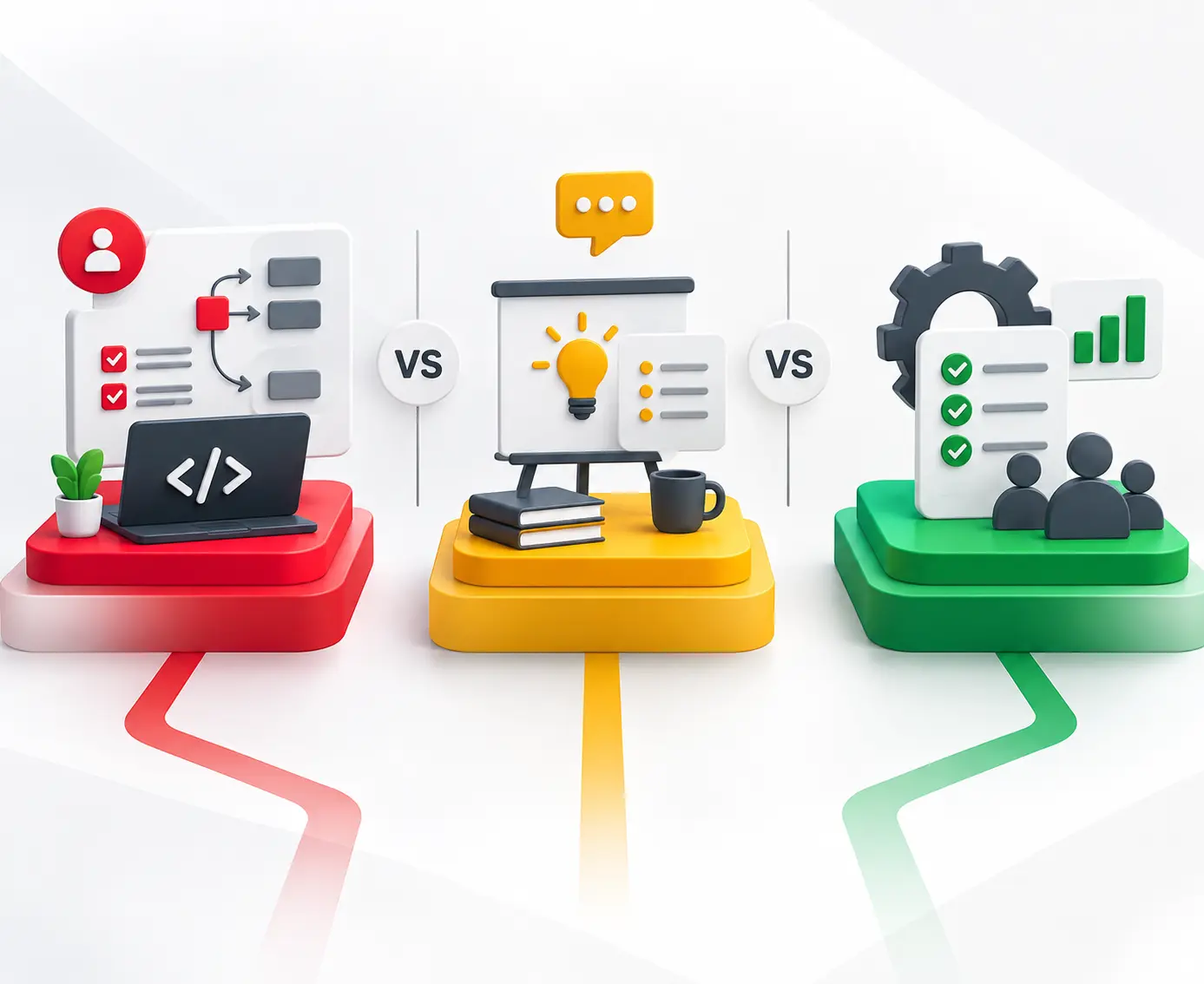
      Not all the AI models create the same level of risk. Risk-tiering helps banks focus governance, validation, monitoring, and oversight efforts where they matter most. Categorizing your models by risk level allows you to apply strict controls where they matter most. Many banks classify models into three tiers:

      • High Risk: Models with significant financial, regulatory, customer, or operational impact. These require rigorous validation, enhanced monitoring, frequent reviews, and formal governance approvals. Common examples include automated hiring tools and credit underwriting algorithms.
      • Medium Risk: Models that influence business decisions but have more limited consequences if they fail. These require standard validation and ongoing monitoring. Common examples include customer service chatbots, marketing content generators, or internal code assistants.
      • Low Risk: Models with minimal business impact and limited potential harm. Governance requirements can be lighter while still maintaining appropriate oversight. Some common examples include email spam filters, inventory forecasting models, and text formatting scripts.

      The risk tiers should determine the governance requirements for each model. The frequency of validation, level of monitoring, documentation requirements, approval process, and reporting will have to be determined by the risk tier assigned.

      It is imperative to note that the risk tiering process must not be done once and then forgotten. With time, there will be changes in the model, data, and the business use case; therefore, risks may change.

      The Factors That Determine Model Risk

      Effective risk-tiering starts by evaluating several dimensions of risk.

      • Business impact
      • Customer impact
      • Regulatory Significance
      • Model Complexity
      • Operational dependency

      Inventorying Generative AI and Autonomous Agents

      Traditional Model Risk Management (MRM) was built for credit scoring. But with the rise of Generative AI (GenAI), autonomous agents have broken these legacy systems.

      Generative AI systems may interact directly with customers, generate content, make recommendations, or trigger actions across many systems. On the other hand, autonomous agents plan tasks, using tools, and execute workflows with limited human intervention. 

      Inventory entries for generative AI and agents should include standard model information such as ownership, purpose, risk rating, and validation status. In addition, banks should document:

      • A foundation model or large language model is used
      • Prompt templates and system instructions
      • Connected tools, APIs, and data sources
      • Human review and approval controls
      • Access permissions and operational boundaries
      • Third-party vendors and service providers
      • Monitoring, logging, and audit capabilities

      This information helps governance teams understand how the system behaves and where risks may arise.

      An inventory for generative AI and autonomous agents needs to take into account more than just the model underneath it all. Regulatory bodies are demanding more from organizations as far as having insight into the entire AI system and how it works, including its prompts and other such components.

      Manual versus Automated Inventory, and a reference architecture

      As organizations scale their AI initiatives, they inevitably cross over from a manual spreadsheet to an automated AI governance platform. Manual tracking works when they use three or four static models, and automated inventory works in the case of generative AI, open-source models, and autonomous agents.

      Feature Manual Inventory
      (Spreadsheets)
      Automated Inventory
      Accuracy Prone to human error and outdated data Real-time tracking via code integrations
      Discovery Blind to “shadow AI” and vendor upgrades Continuous scanning of networks and APIs
      Audit-Readiness Requires weeks of stressful data gathering Instant, comprehensive regulatory compliance report generation

      Model AI Inventory Reference Architecture

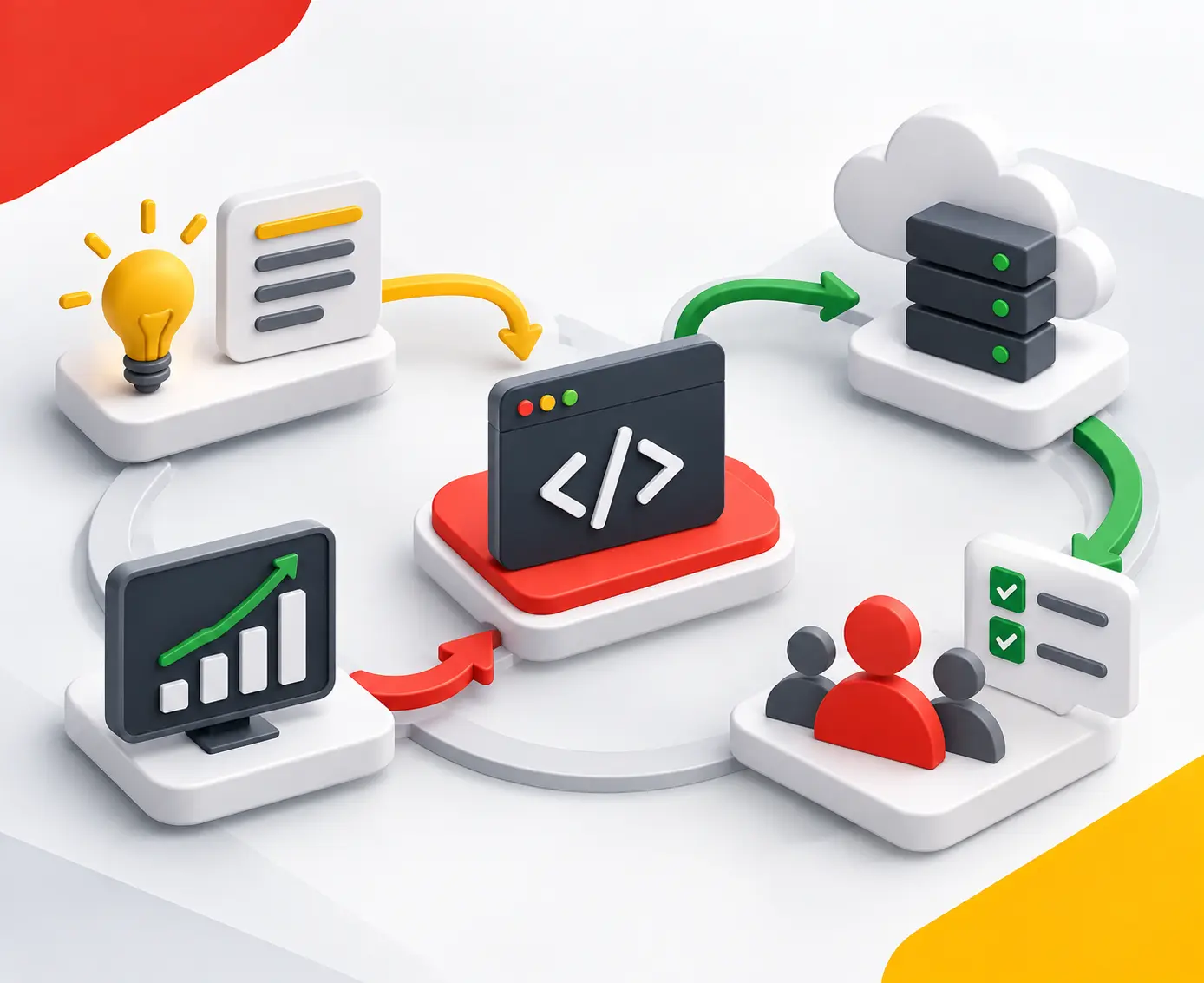
      To successfully automate your governance, your systems need a structured, layered approach. A reliable, scalable reference architecture relies on three primary layers: 

      • The Discovery Layer - scans cloud environments, repositories, APIs, and vendor platforms for models and AI services.
      • The Context and Registry Layer - Once an AI asset is discovered, it is fed into the central registry. Here, the system cross-references the model with your business data, logging the technical owner, data lineage (such as RAG pipelines), and its assigned risk tier. 
      • The Enforcement and Monitoring Layer - The final layer continuously checks production performance. It tracks models for performance drift, monitors token costs, and acts as an automated kill switch if an autonomous agent violates pre-set safety boundaries. 

      Keeping the Inventory Current: The Operating Model

      A model inventory is not a time documentation. Its value depends on how accurately it reflects the models and AI systems currently operating across the bank. Even a well-designed inventory becomes ineffective if it is not updated with new models, notifying the ownership changes or retired models.

      The regulators are now expecting the inventories to be living governance assets rather than merely documents that are updated before the audits. In order to achieve this, there should be an operating model clearly defined for this purpose.

      Clear Ownership and Responsibilities

      Each model should have a business owner assigned such that inventory information remains accurate throughout the model lifecycle.

      • Developers and Product Owners - They are creators. They must log new models or major prompt adjustments at the point of inception during the lifecycle development.
      • The AI Governance Office - These risks and legal experts validate the intake data, review bias testing, and officially approve the model’s risk tier classification.

      Responsibilities typically include:

      • Registering new models before deployment
      • Updating inventory records when material changes occur
      • Maintaining ownership and contact information
      • Initiating retirement or decommissioning processes
      • Supporting validation and monitoring activities

      Governance teams should oversee the process, but accountability for individual models should remain with the business.

      Event-Driven Triggers

      Updating the inventory should be triggered automatically by specific operational events:

      • CI/CD Pipeline Integration: Code deployments to production should automatically update the model’s version status in the registry.
      • Vendor Contract Reviews: Procurement must trigger an inventory assessment whenever an enterprise software contract (like Salesforce or Workday) is renewed or updated with new embedded AI capabilities.
      • Performance Drift Flags: If production monitoring detects a drop in accuracy, a flag must automatically trigger an emergency validation review in the inventory.

      Continuous Process

      To get the most effective operating models, treat inventory management as part of everyday governance. The combination of ownership, life cycle processes, assessment, and quality measures makes the inventory a reliable source of information for AI governance and model risk management.

      A step-by-step Implementation Checklist carried out by Entrans

      Below is a practical, step-by-step checklist handled by Entrans to implement and operationalize your enterprise AI model inventory.

      • [ ] Define Scope and Governance - Set clear criteria for what qualifies as an asset to avoid confusion. Define policies, standards, and reporting requirements.
      • [ ] Establish Ownership - Maintain inventory ownership and governance responsibilities.
      • [ ] Design the Inventory Schema - Create a standard inventory template. Finalize the mandatory data fields for every model.
      • [ ] Run an Initial Audit - Survey all business units to log known, existing AI deployments into a temporary central sheet.
      • [ ] Deploy Automated Discovery Tools - Configure network and API gateway monitoring to track outbound traffic to unauthorized AI vendors (catching shadow AI).
      • [ ] Scan Code Repositories - Integrate scanners into your code repositories (like GitHub or GitLab) to automatically flag whenever open-source models are pulled into projects.
      • [ ] Build the Initial Inventory - Collect existing documentation and gather information from business units, risk teams, and technology teams. Import known models into the central repository.
      • [ ] Discover Hidden Models and AI Systems - Review applications, workflows,s and business processes. Assess vendor products for embedded AI capabilities. Identify shadow AI and undocumented models.
      • [ ] Risk-tier the Inventory - Assess business, customer, operational, and regulatory impact and link governance requirements to risk levels.
      • [ ] Governance - Connect inventory updates to model approval workflows. Link validation, monitoring, and change-management activities. Try to establish retirement and decommissioning procedures.
      • [ ] Automate - Integrate the AI Model Inventory with MLOps, cloud, and monitoring problems. Automate metadata collection and status updates. Try to reduce manual inventory maintenance. 
      • [ ] Continuous Maintenance - Establish a routine review cadence (e.g., quarterly for High-Risk models, annually for Low-Risk models) to ensure data stays pristine and audit-ready. 
      • [ ] Audit and Regulatory Review - Maintain audit trails and change history, and produce inventory reports on demand.

      Want to know more about it? Book a consultation call with us.

      Share :
      Link copied to clipboard !!
      Build an Audit-Ready AI Model Inventory
      Entrans discovers your shadow AI, risk-tiers every model, and automates an inventory your regulators will trust.
      20+ Years of Industry Experience
      500+ Successful Projects
      50+ Global Clients including Fortune 500s
      100% On-Time Delivery
      Thank you! Your submission has been received!
      Oops! Something went wrong while submitting the form.

      FAQs

      1. What fields should a model inventory include for regulatory compliance?

      A regulatory-compliant inventory must capture the model's business purpose, assigned owner, and data sources, methodology, risk rating, validation status, deployment details, and lifecycle status. A well-designed inventory should maintain approval history, change records, and links to governance and audit evidence.

      2. Does SR 11-7 require AI and machine learning models to be in the inventory?

      Yes. SR 11-7 applies to quantitative methods that process data into estimates, which fundamentally includes AI and machine learning. Most banks, therefore, include AI and ML models within their model inventory and governance framework.

      3. How do I find all the AI models running in my bank?

      Deploy automated discovery tools to monitor outbound network traffic and API gateways for unauthorized AI vendor calls. Additionally, integrate automated scanners into your code repositories (like GitHub) and conduct strict vendor software audits to flag embedded capabilities.

      4. How is inventorying a generative AI application different from a traditional model?

      Traditional inventories track a single static formula, while Generative AI requires tracking a dynamic ecosystem of moving parts. A GenAI registry must capture the shifting system prompt matrices, underlying foundation models, and associated data scaffolding like vector databases and RAG pipelines. 

      5. How do I inventory AI that is embedded in a vendor platform?

      Mandate that vendors provide details on the AI capabilities, model usage, decision impact, governance controls, and monitoring procedures during procurement and review processes. Maintain inventories of these embedded models regardless of whether the bank develops or operates the models.

      Hire Engineers to Automate Your Model Inventory
      Get Entrans engineers who build discovery, registry, and monitoring layers for audit-ready AI governance.
      Free project consultation + 100 Dev Hours
      Trusted by Enterprises & Startups
      Top 1% Industry Experts
      Flexible Contracts & Transparent Pricing
      50+ Successful Enterprise Deployments
      Aditya Santhanam
      Author
      Aditya Santhanam is the Co-founder and CTO of Entrans, leveraging over 13 years of experience in the technology sector. With a deep passion for AI, Data Engineering, Blockchain, and IT Services, he has been instrumental in spearheading innovative digital solutions for the evolving landscape at Entrans. Currently, his focus is on Thunai, an advanced AI agent designed to transform how businesses utilize their data across critical functions such as sales, client onboarding, and customer support

      Related Blogs

      Agentic AI in Banking: The Governance Framework Before You Deploy

      Build an agentic AI governance framework for banking before deployment: autonomy tiers, agent registries, guardrails, and kill switches that pass audits.
      Read More

      How to Detect Model Drift in Credit Scoring AI Before Regulators Do

      Detect model drift in credit scoring before regulators do. Track PSI, score shifts, and fairness signals to stay EU AI Act compliant and audit-ready.
      Read More

      How to Build an AI Model Inventory for Banking Regulatory Compliance

      How to build an AI model inventory for banking regulatory compliance: capture every model, uncover shadow AI, risk-tier, and stay audit-ready.
      Read More