Are legacy systems still eating up your money? They are a silent tax on your innovations. Migrating to AI-driven systems can bring many benefits. In simple terms, legacy-to-AI modernization refers to using AI capabilities within existing systems. AI modernization brings numerous benefits, including faster insights, real-time decision-making, and reduced operational inefficiencies.
In this blog, we will show how legacy to AI modernization can improve operational agility and achieve operational agility.
What Is Legacy to AI Modernization?
Legacy to AI Modernization is the process of upgrading outdated legacy systems into AI-powered platforms. AI is added as a layer to extend system value, performance, and scalability, and it is not replaced as a whole. By integrating AI with legacy systems, we can automate workflows, improve decision-making with real-time insights, and unlock data-driven insights.
Why Legacy Systems Are Not AI-Ready
Legacy systems are designed mainly for stability, transaction processing, accuracy, and data intelligence. The reasons why legacy systems are not AI-ready are discussed below.
- Outdated architecture: Legacy systems depend on obsolete architectures. It has worked well even in unstructured data, limited APIs, and rigid workflows. AI integration is not possible in those areas where monolithic designs are supported. Monolithic design denotes tightly coupled, so it can break the entire system when AI is integrated.
- Data silos: AI models require cross-functional data and high-quality data, as their output depends on data accuracy and quality, whereas incompatible formats often hinder legacy systems.
- Limited API and Integrations: Older legacy systems were designed for more human users. Legacy systems often lack APIs that modern AI uses to read and write information.
Scalability, Security, and Compliance Constraints: Legacy systems lack the modern security controls needed for AI data handling. They often struggle to handle the compute and storage demands of AI workloads.
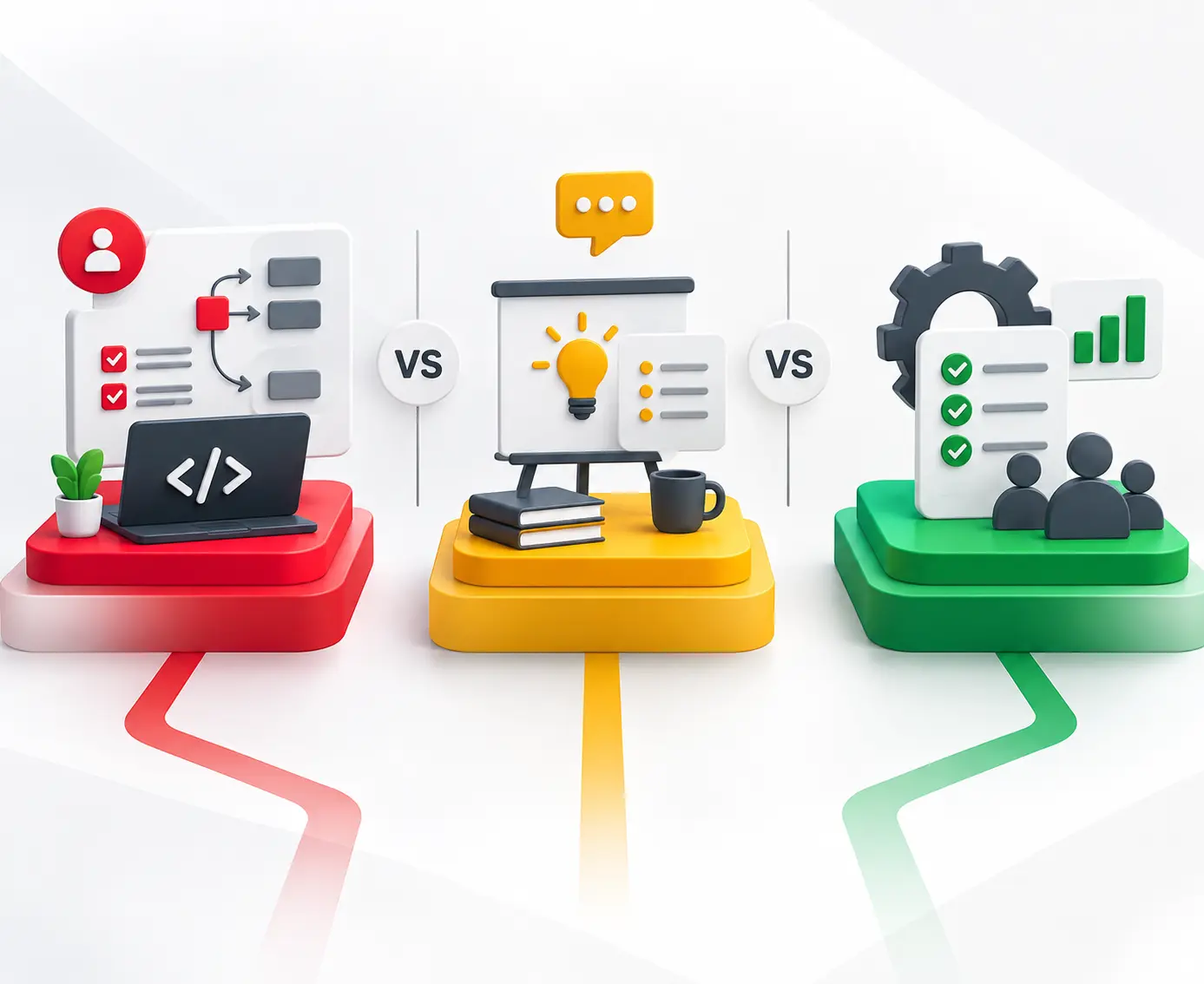
Legacy Modernization vs AI Modernization vs Legacy to AI Modernization
| Aspect |
Legacy Modernization |
AI Modernization |
Legacy to AI Modernization |
| Primary Goal |
Updates outdated legacy systems to keep them functional and supported. |
Applies AI to modern or cloud-ready systems to add intelligence. |
Extends legacy systems with AI capabilities without full replacement. |
| Focus |
Improves performance, scalability, and maintainability. |
Enables predictive insights and intelligent decision-making. |
Adds AI layers, data pipelines, and intelligent automation to legacy environments. |
| Tools and Methods |
Rehost, refactor, or replatform applications manually. |
Embedding LLMs, predictive AI, and analytics models. |
AI agents for code translation, dependency mapping, and automated testing. |
| Result |
A stable, cloud-based or updated application. |
AI-powered or predictive features. |
Improved data liquidity and gradual breakdown of monolithic systems. |
A Practical Framework for Legacy to AI Modernization
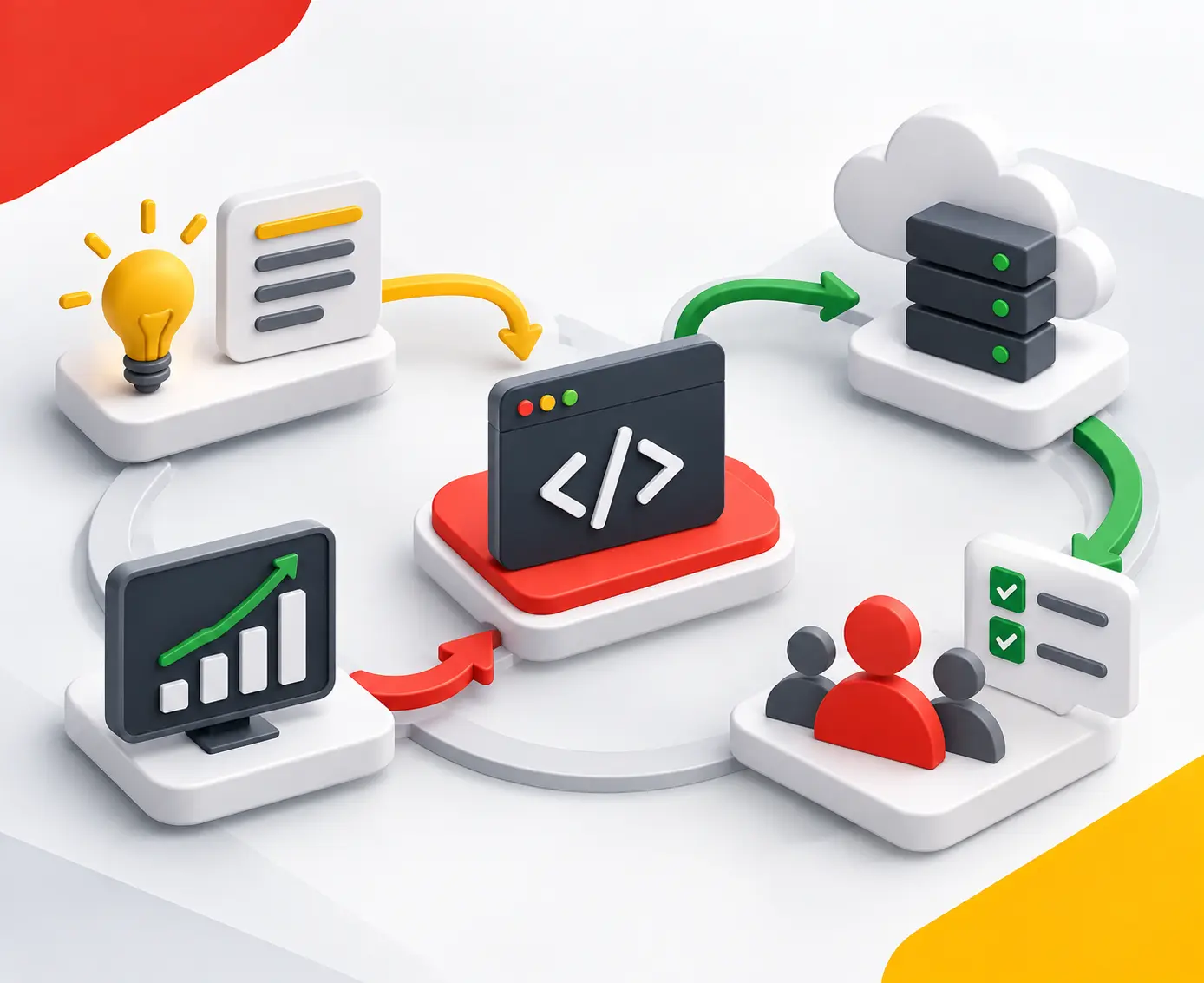
A framework for modernizing legacy systems focuses from the initial stage to the final deployment. The steps to be considered are
1. Legacy systems assessment:
First, start by evaluating the existing legacy systems, infrastructure, and integrations. Categorize your systems based on technical debt and business criticality. Ensure to make a check for data silos and constraints that limit AI adoption. This part will help us in determining which parts of the legacy stack can be moved.
2. Data Readiness:
AI models give accurate outputs based on high-quality data that was fed. Establish data governance, standardize formats, and modernize data pipelines to ensure AI models can consume enterprise data.
3. Modernization Strategies:
Choose the modernization strategy from tailored paths such as rehost, re-platform, re-architect, rebuild, replace, or run. For migrating legacy systems to AI, prioritize technology-led modernization for similar functionality. Introduce microservices, event-driven systems, and cloud-native components where appropriate to enable scalability, flexibility, and AI integration.
4. AI Acceleration Steps:
Implement AI-friendly layers, including data platforms, model management tools, and analytics services. This in-between layer utilizes AI to modernize legacy systems.
5. Security and Compliance:
Ensure AI modernization efforts meet security and regulatory requirements. They should remain compliant, secure, and aligned with strong policies and controls.
6. Deployment and Optimization:
Post deployment, monitor system performance, AI accuracy, and business outcomes. Depending on the feedback obtained, refine models, optimize workflows, and scale AI capabilities as the business evolves.
Key Business Benefits of Legacy to AI Modernization
Legacy to AI Modernization transforms their static data into an active, competitive weapon. The benefits are
- Cost reduction and ROI: Legacy systems need specialized talent and manual workarounds. But AI Modernization can handle repetitive back-office tasks with accuracy and reduce long-term maintenance costs. This results in cost reduction.
- Enhanced security and Compliance: AI-driven systems detect anomalies, vulnerabilities, advanced monitoring, and automated compliance checks. These enhance the security, and they ensure they comply with current regulations.
- Data-Driven Decision Making: AI-powered legacy modernization can get a full picture of data rather than waiting for weekly batch reports. AI modernization ensures better data quality, visibility, and usability.
- Enhanced Customer experience: Users get to experience a new, intuitive UI when legacy systems are modernized.
- Improved Operational efficiency: AI-powered systems automate repetitive and rule-based tasks. Modernizing with cloud boosts performance by 30% and enables faster release cycles.
- Agility and Scalability: AI-powered systems help to launch new features faster, as they can scale up during peak demand and scale down to save costs.
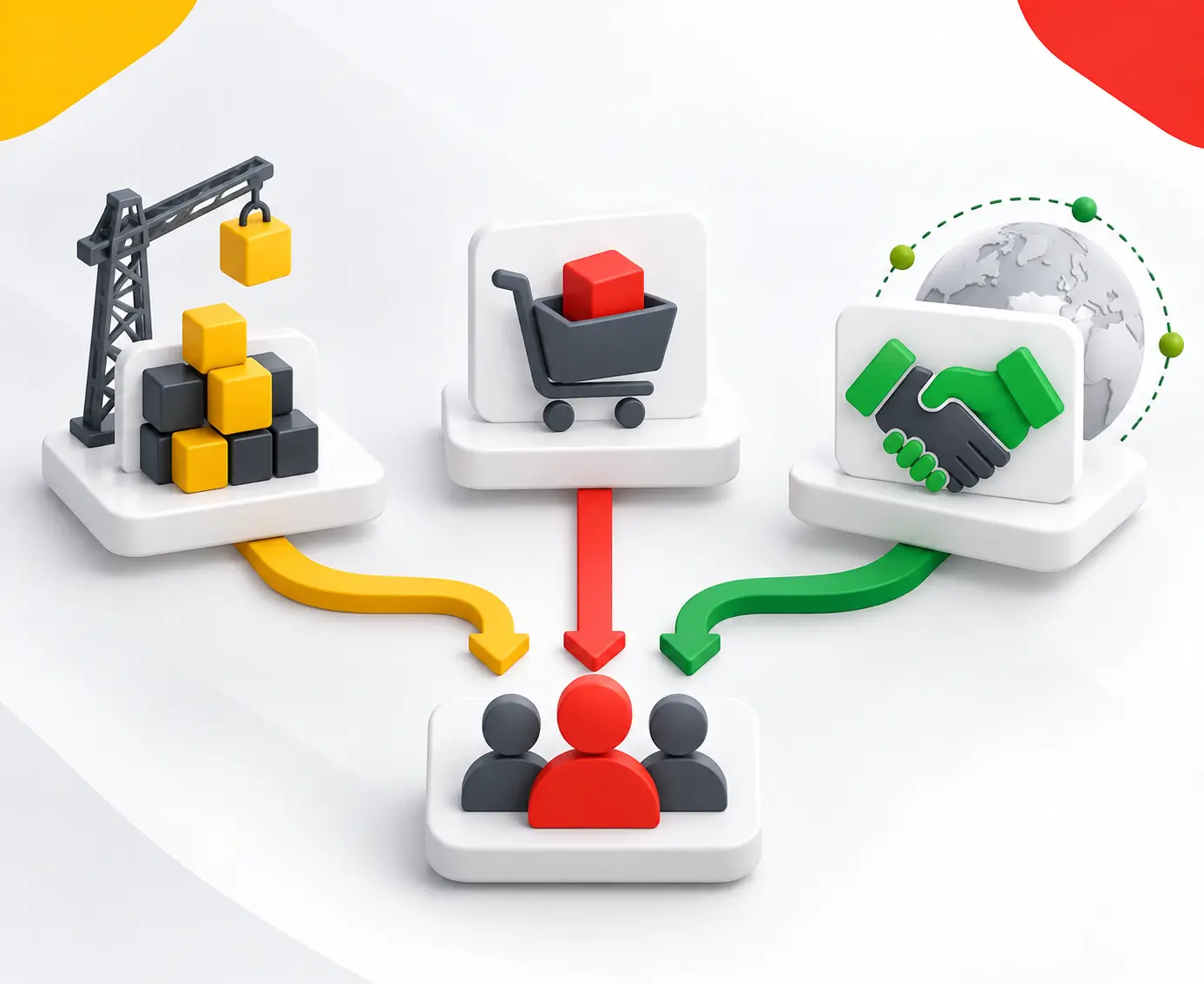
Industry Use Cases of Legacy to AI Modernization
Moving from legacy to AI-ready architectures is not mainly about data being trapped in silos. Industries have tackled this modernization in order to stay competitive.
- Banking: Loan processing, detection of fraud systems, and core banking are the main reasons for banks to move legacy systems to AI-powered systems. AI helps in real-time fraud detection, credit risk scoring, automated compliance checks, and personalized financial recommendations. They can cut the mean time resolution by 90% and handle tickets.
- Healthcare: Billing operations have been streamlined after using AI. AI is being applied to improve patient diagnostics, monitor the patient, and improve operational efficiency. Integrating AI with legacy systems will give faster updates and communication. They will also ensure HIPAA-compliant security patch fixes are made.
- Manufacturing: AI is used for predictive scaling in hybrid cloud setups, avoiding infrastructure costs. Moving away from Excel-based tracking to AI-driven demand forecasting for global shipping delays and weather patterns.
- Retail: Retailers integrate AI with legacy POS, inventory, and ERP systems to optimize demand forecasting and dynamic pricing. This enables personalization and demand forecasting with minimal disruption.
- Insurance: Policyholders get to experience a faster claims process, fraud detection, risk assessment, and personalized policy pricing when being moved to AI-based systems.
Common Challenges in Legacy to AI Modernization
Legacy to AI modernization faces significant hurdles due to outdated architecture and is not able to scale to meet AI demands. Some of the common challenges faced during AI modernization are
- Technical Incompatibilities: Legacy systems feature rigid, monolithic designs with outdated APIs and proprietary protocols that block seamless AI integration. This often needs middleware refactoring. They also don’t support real-time data processing or AI workloads. This may make Legacy to AI modernization complex and time-consuming.
- Data Quality and Accessibility Issues: Data is crucial information. Gartner suggests that poor data categorization can inflate AI costs up to 40%. Preparing data for AI often requires extensive cleansing, normalizing, and integration efforts.
- Security and Compliance: With AI, the environment increases security risks. Enterprises must ensure data privacy, regulatory compliance, and secure model deployment.
- Integrating with existing systems: AI solutions must coexist with mission-critical legacy applications. Seamless interoperability should be ensured between old legacy systems and AI-driven services.
- Skill Gaps: Experts dealing with legacy systems may find it difficult to adopt new cutting-edge technologies. They may lack expertise in AI, data science, and modern development practices. It is an additional task to hire a specialized talent. This increases the cost and time intensity.
- High Initial Cost and Long Timelines: Legacy to AI Modernization involves an initial investment, which includes infrastructure, tools, and talent. Following phased modernization will also increase the project timelines, which internally requires additional funding.
Measuring ROI and Success in Legacy to AI Modernization
Measuring the Return on Investment (ROI) in AI systems is different from the traditional legacy IT upgrades. By defining clear benchmarks and continuous tracking, organizations can ensure AI-driven modernization delivers lasting business impact.
ROI formula for AI Modernization:
To justify the effort and cost, organizations clearly measure return on investment (ROI) and define what success looks like in technical, operational, and business dimensions. They ensure that AI delivers tangible business value
ROI = (Net Benefit / Investment Cost) * 100
where investment cost includes direct costs (migration, refactoring, cloud setup) and indirect costs (training and data migration).
The following business-focused metrics demonstrate how AI modernization impacts organizational goals.
- Operational cost reduction: Measuring resolution rate, response time through automation, and process optimization.
- Revenue growth: Attribute sales increases to AI- driven personalization or predictive lead scoring.
- Faster time-to-market: The time taken between idea and production for new products is calculated.
- Engineering and Model Health: Ensured that AI remains a reliable asset over time.
Success in Legacy to AI modernization
Technical performance directly influences long-term ROI. Key indicators include
- Measuring system performance improvement, such as reduced latency and downtime.
- Scalability and Flexibility of modernized architecture.
- Data accessibility and quality for AI models.
AI success depends on model accuracy, precision, recall, adoption, and usage rates of AI-powered features. Measuring these parameters ensures the AI model is scalable, reliable, and trustworthy.
Future of Legacy to AI Modernization
The future of legacy modernization lies in intelligent, incremental transformation rather than disruptive replacement.
- Agentic Modernization: Agentic AI takes care of writing functions, orchestrating multiple tasks independently. It can simplify the process and help in identifying vulnerability, automatically generate, test, and deploy a modernized patch. They can take care of existing systems using APIs, microservices, and data abstraction. This approach reduces risk, controls cost, and delivers faster business value.
- AI-ready Architecture: Future modernizations will prioritize architectures that have AI embedded in them. AI-ready architecture can support continuous learning, automation, and rapid integration of new AI models without disrupting core operations.
- Data Modernization: Quality of data will play a pivotal role in legacy to AI modernization. Enterprises have to invest more in data unification, governance, and metadata management to provide reliable AI outcomes.
- Industry-specific AI solutions: Domain-specific AI models tailored to industries such as finance, healthcare, manufacturing, and retail will become more prevalent. They will address regulatory, operational, and customer-specific needs rather than generic AI capabilities.
- Responsible AI and Governance: Governance and compliance will become critical. Future modernization strategies will include built-in controls for explainability, bias monitoring, security, and regulatory compliance.
How Entrans Helps Enterprises Modernize Legacy Systems with AI
Entrans helps enterprises modernize legacy systems by being an AI-first digital engineering partner.
- AI-Led Discovery and Assessment: We use AI to audit the existing environment and scan for any dependencies. With that, they provide ROI analysis to determine which parts of the system should be refactored, replatformed, or retired.
- Enabling AI without replacing core systems: Entrans moves beyond manual updates by utilizing Generative AI. We break down large codebases into small, monolithic, modular components that are easier to scale and maintain. We also ensure zero downtime during the legacy to AI modernization.
- Agentic AI frameworks: We embed intelligence into new architecture by integrating directly with enterprise layers such as ERP, CRM, and Analytics. Through cutting-edge technologies, we have achieved 95% automation in evaluation workflows.
- Applying AI to High-Impact Business Use Cases: We identify and prioritize AI use cases that deliver measurable value. These include process automation, predictive analytics, anomaly detection, and intelligent decision support.
Want to know more about it? Book a consultation call.






-1.svg)