Discover how agentic process automation goes beyond RPA. Learn how AI agents handle complex workflows, adapt to changes, and scale enterprise tasks.

Agentic Unconference 2026 - September 19, Chennai
View Event →




Why do even business automation projects still struggle once the workflow moves beyond deterministic, rule-based processes? While software vendors endlessly tout their “agentic” features, few bother to explain how it changes anything in your architecture, risk model, or finances.
Agentic process automation fills this gap by advancing beyond scripting into employing self-reasoning intelligent agents capable of dealing with complex and unpredictable workflows.
This guide offers: a clear definition, a six-layer reference architecture, and a simple test of your readiness.
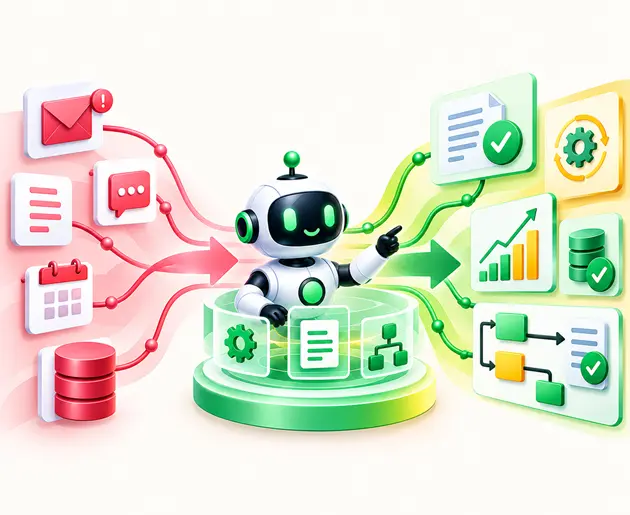
APA, or agentic process automation, employs AI agents to take care of business processes from beginning to end. They interpret the requests, create plans, operate business applications, and deal with unpredicted situations.
APA differs from traditional RPA in that it is capable of adapting to changes, but only within the predefined boundaries and with people’s input.
Agentic Automation involves the execution of tasks through AI agents, where the behavior of these agents is modified based on the situations at hand.
However, a typical conversational AI is not agentic in its own right since it only responds to prompts using its training data. But when provided with access to enterprise tools and APIs and the ability to take actions on your behalf, it can be considered agentic AI.
The concepts are related but distinct from each other:
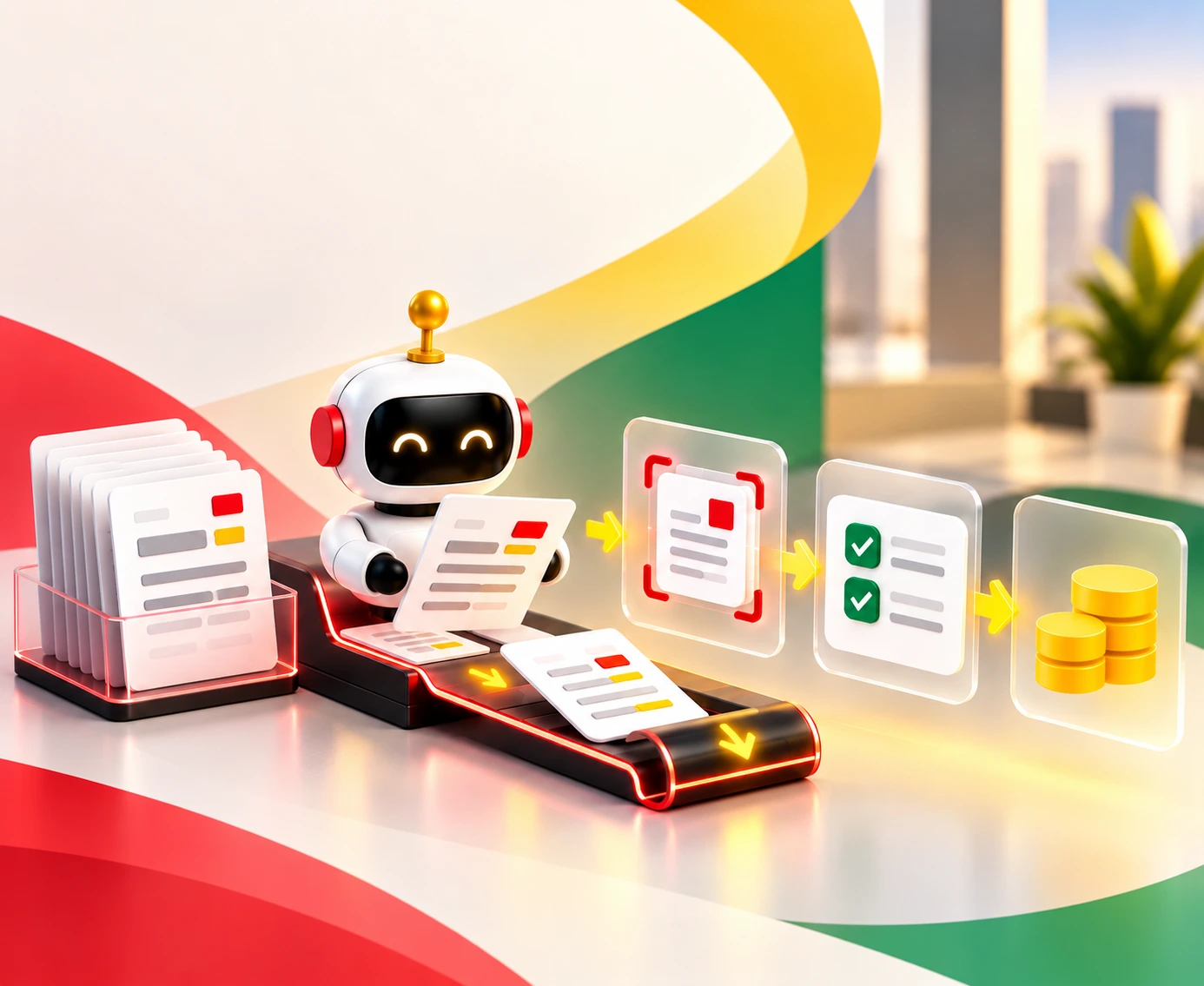
With the help of AI agents, Agentic process automation moves a business task from start to finish. The process of how agentic process automation works can be illustrated by using a scenario of a supplier invoice that doesn't match its purchase order.
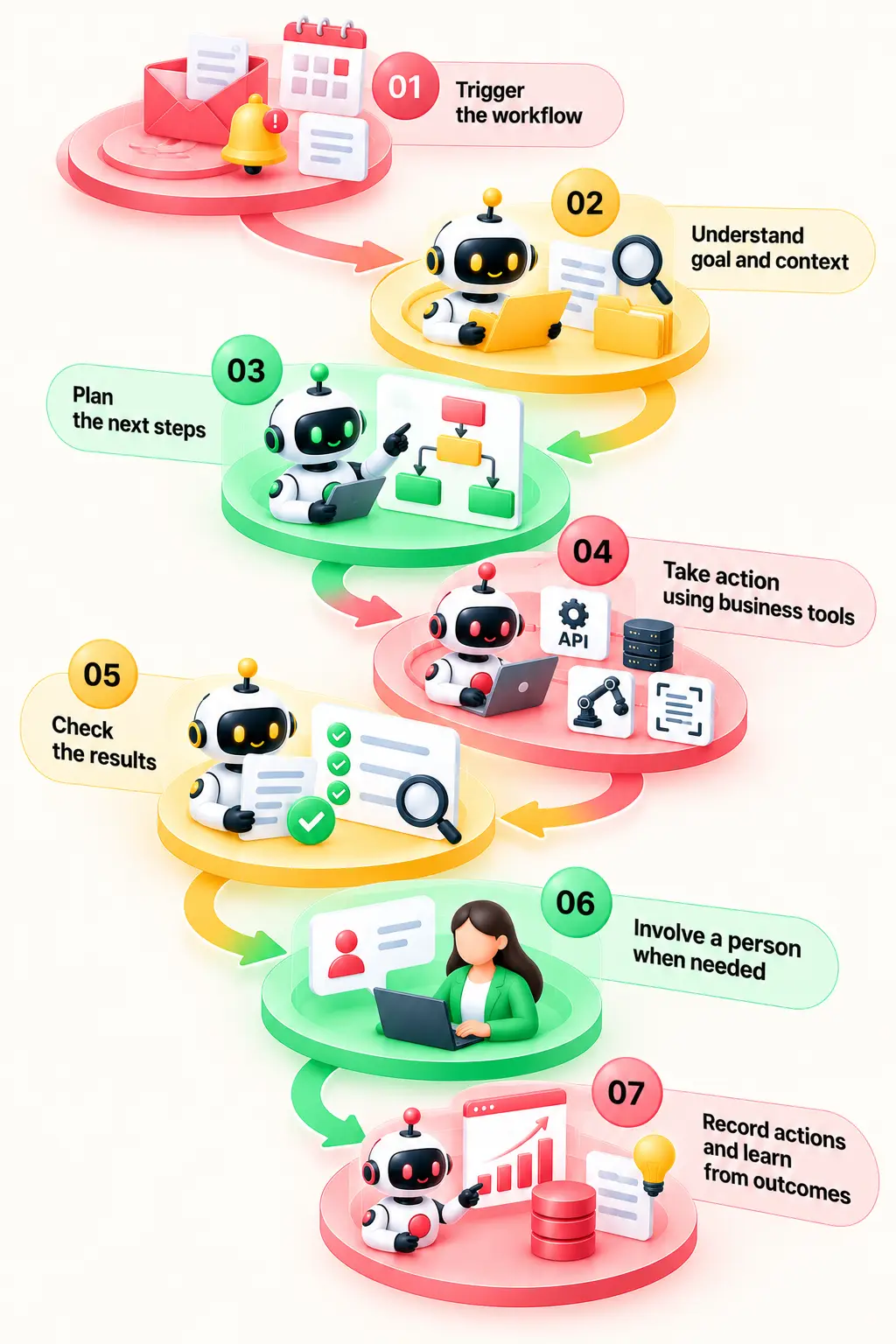
Why does agentic automation go beyond just an artificial intelligence solution? It all comes down to how agents can interact with business data, applications, processes, and security features. A vendor-agnostic architecture enables businesses to create such interactions without being tied to any one agentic automation technology.
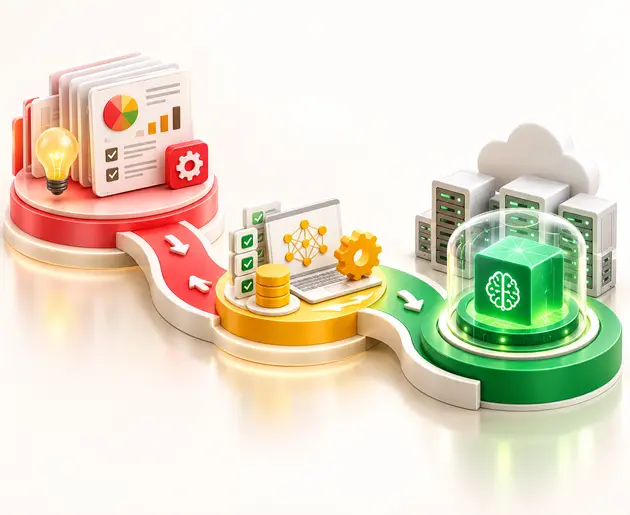
Here is the architecture composed of six layers:
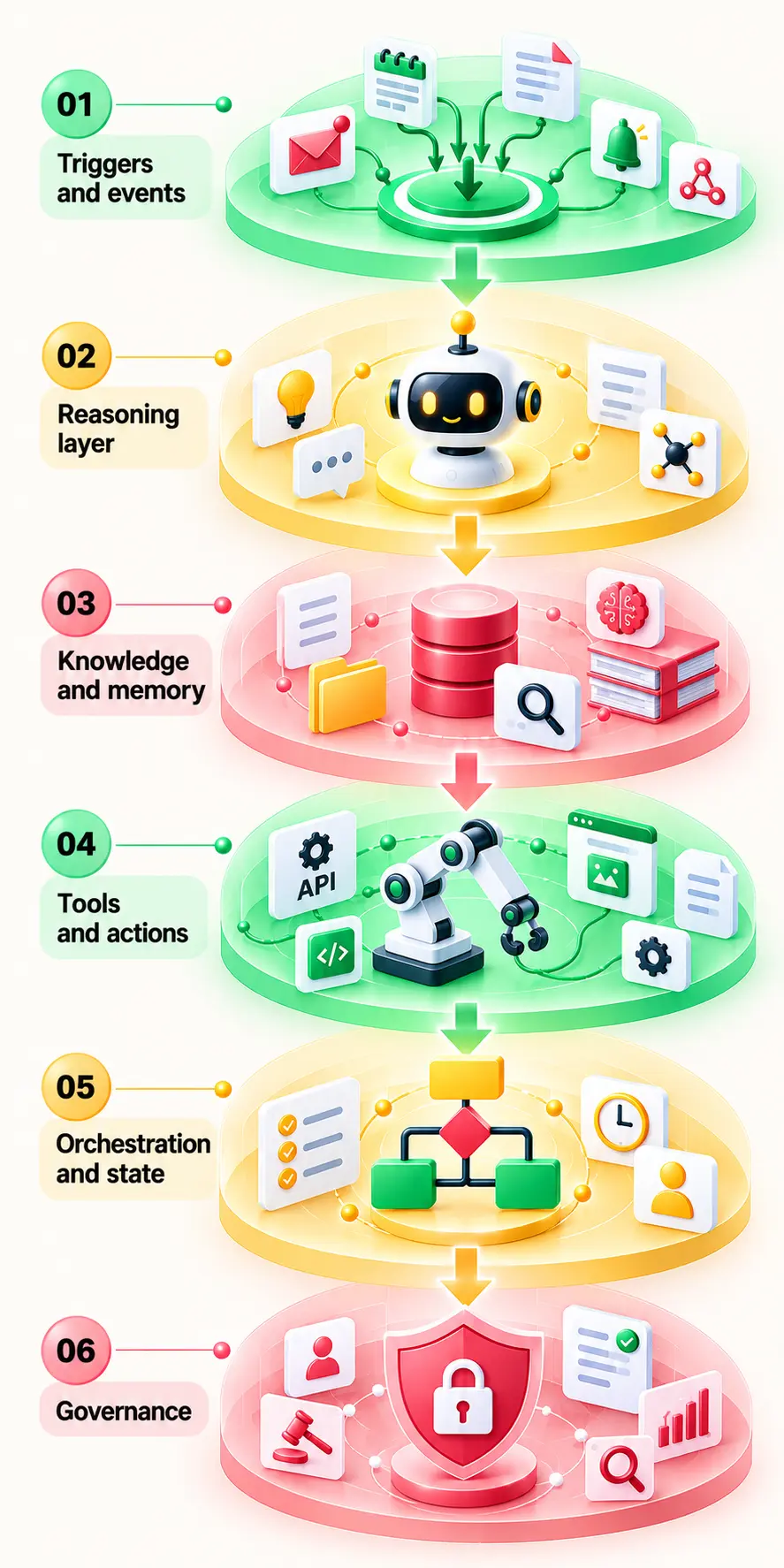
The idea behind this is very simple; the agents determine what actions have to be performed while the workflow engines and current systems execute them. Such segregation simplifies the analysis and auditing of agentic process automation as organizations integrate more AI agents into their business operations.
There is a distinction between RPA, intelligent automation, and agentic process automation in that each technology deals with business operations differently. This difference is based on their response to change and decision-making. Knowing when autonomous systems add value may benefit from an analysis of intelligent automation use cases.
This is not quite right. RPA is applied to stable and rule-based processes. RPA bots are used by AI agents when dealing with legacy systems that do not have API connectivity. The combination of intelligent automation and RPA is also possible with the help of AI and workflow management.
The choice will depend on the type of task, its exceptions, and the costs of implementation. For the full decision map, read our guide to RPA use cases.
Not all processes require the use of AI agents; therefore, it is important to determine where agentic process automation would be appropriate. When assessing RPA vs. AI agents, look for these operational signals:
These things make it ideal for AI agents for business processes.
Score candidate processes on a 1-5 scale for value and readiness to create a prioritization 2x2 implementation matrix.
Apply this readiness assessment to determine which process works best - an AI agent, RPA, or a hybrid workflow. See Entrans' agentic AI data foundation for the next steps.
What does agentic automation mean? This is a system that can receive a request, collect information from various applications, make a decision on how to proceed further, and execute the approved action. The system may also identify situations that require human involvement.
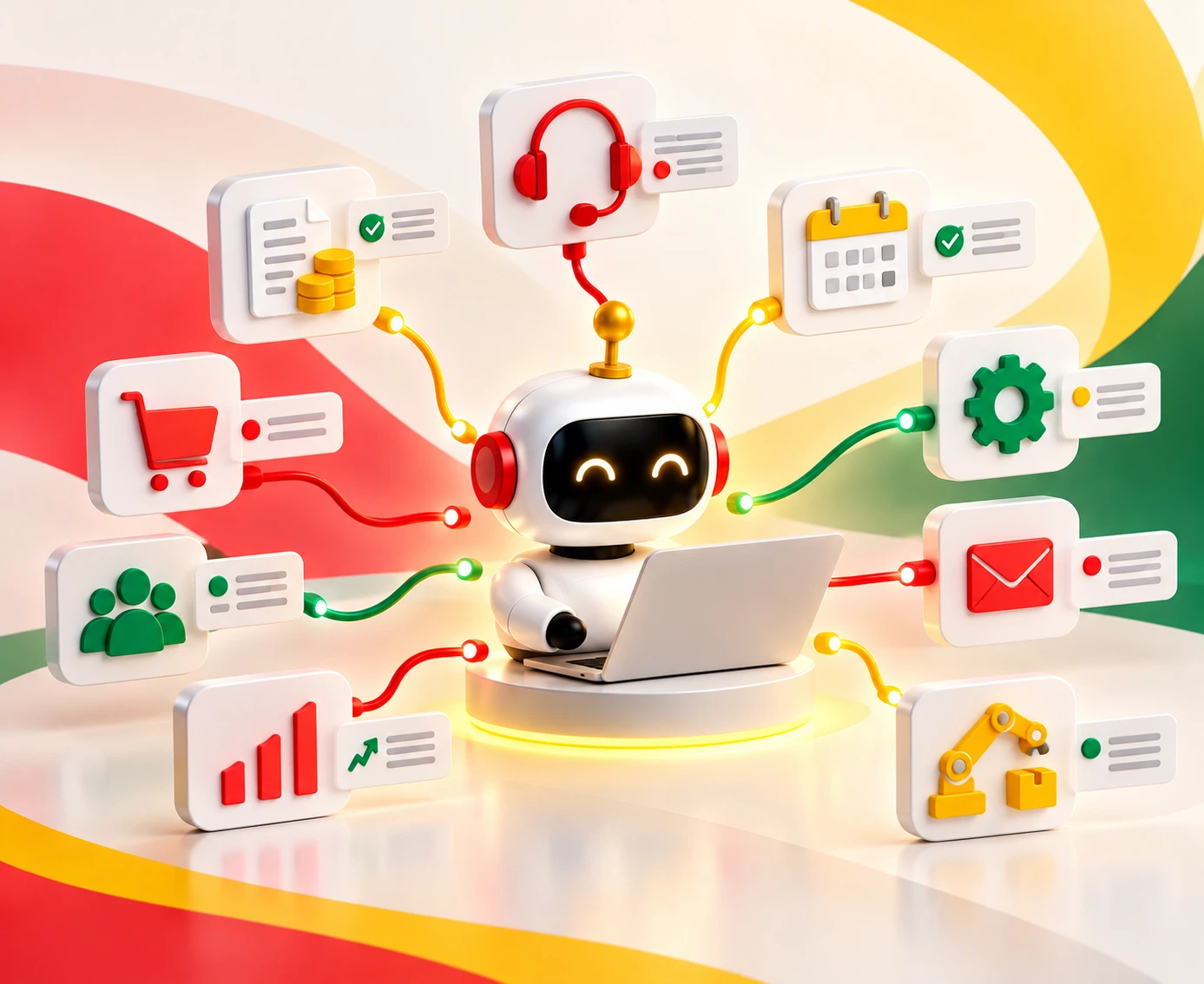
The below-mentioned examples of agentic automation serve as an illustration of cases where AI agents can come in handy to facilitate dealing with dynamic input data and exceptions. In most cases, it is advisable to begin with simple and repetitive back-office jobs like email-to-ticket conversion, PDF parsing, or updating the business infrastructure.
Here is how agentic process automation transforms everyday operations across departments.
Resolve routine complex customer inquiries across order management and catalog systems end-to-end.
Customer relationship management (CRM), OMS, product catalog, live chat API, vector database.
Escalate to human agent level only when the order policy takes precedence or a high-value refund is necessary.
First Contact Resolution (FCR), average resolution time, and customer satisfaction.
Entrans took AI customer service agents from pilot to production on a global retail brand’s live catalog, order, and customer data. The combination of the agent reuse platform and the handoff to human was the key to improving response time and boosting customer satisfaction. Read the case study (Optionally powered by Thunai for contact center deployment).
Match vendor invoices against purchase orders and process variance approvals automatically.
PDF Invoices, Purchase Orders, Goods Received Notes, ERP, and Payment systems.
Before payment processing, the finance department performs analysis of amounts payable, duplicate invoices, and vendor-related problems.
Invoice processing cycle time and exception resolution cost.
Entrans implemented the LLM Extraction & Matching Layer on its ERP system to reduce manual reconciliation by 80% and double payment processing speed. This intelligent data foundation serves as the bedrock for AI agents for business processes built upon it to handle end-to-end exceptions. Read the finance case study.
Collect patients’ clinical information and insurance eligibility for submitting prior authorization requests.
EHR platform, payer portals, document parsers.
Clinical reviewer signs off before submitting to the payer.
Prior authorization approval rate and submission turnaround time.
Prior authorization automation at Entrans produced three times faster processing, 70% less manual labor, and more than 95% extraction accuracy. The above statistics provide the foundation for document processing and validation that can be used by an agent to create an automated process.
Diagnose system alerts, assemble diagnostic context, and execute pre-approved fix scripts.
Monitoring tools (Datadog), ticketing (Jira/ServiceNow), SSH/APIs.
Approves high-impact service restarts or production code rollback actions.
Mean Time to Resolution (MTTR) and ticket escalation rate.
Here’s a real-world instance of using AI agents for processes in business. The teams can begin with ticket enrichment and troubleshooting before letting the agents execute the pre-defined remedies. Here are some more use cases of Entrans AIOps.
Provision accounts, equipment, and training schedules across HR, IT, and facilities.
HRIS (Workday), Active Directory, ITSM, ticketing, and equipment inventory.
The IT Manager approves special hardware access requests.
Time to readiness, missed tasks, and onboarding completion rate.
Collect supplier documents, check required fields, and route missing information.
Procurement software, ERP, document extraction, and supplier portals.
Compliance officer reviews flagged risk profiles.
Supplier setup time, incomplete applications, and exception rate.
Read claim forms, organize supporting documents, and request missing details.
Claims management software, document analysis models, email gateway.
Adjusters review coverage disputes, suspected fraud, and complex claims.
Intake time, claim turnaround, and first-pass completeness.
Research inbound leads, enrich CRM records, and schedule follow-ups.
CRM (Salesforce), LinkedIn Sales Navigator, calendar scheduling tools.
Sales representatives review personalized messages and approve external communications.
Time spent on admin, CRM completeness, and follow-up speed.
Identify shipment bottlenecks and propose re-sourcing routing options.
Logistics APIs, ERP, inventory management systems.
Supply chain planner confirms inventory reallocation.
On-time delivery rate under disruption.
Audit access logs and gather regulatory proof for framework assessments (for example, SOC 2, ISO).
Cloud audit logs, GRC platforms, security tools.
Auditor reviews flagged policy exceptions.
Audit readiness posture and zero unaddressed compliance gaps.
Organize applications, find out missing details, and send follow-up inquiries.
Case management systems, document repositories, and approved communication tools.
Decision-making is done by caseworkers for the determination of eligibility.
Case backlog, processing time, and incomplete applications. See StateTech's coverage of agentic AI in government.
The best possible cases for agentic automation involve having a business objective, data availability, and tasks that are measurable. It is important to begin with tasks that carry less risk, and then build on the successes by providing more autonomy. The two forms of automation can also coexist where there is a need for adaptive decisions and dependable system behavior.
Freedom in agentic automation is not the same for every task. In the case of a certain risk, the system may make suggestions, ask for permissions, or make decisions by itself. What the correct degree of freedom is will depend on the value of the transaction, confidence score, effect on the customer, and regulatory risk exposure.
Approval gates define when an agent can act and when it must stop and ask for human input. Set them using four factors:
For instance, an invoice that matches the PO and GRN, is within the approved amount range, and has passed all necessary checks can go through Level 3.
On the other hand, an invoice with a high value, a questionable match, or a transaction with compliance issues can be sent for manual review.
The intention is to allow agents the room to deal with normal transactions while at the same time keeping the human in charge of risky decisions.
Here is how an invoice processing workflow scales across each level based on these gating rules:
Moving from static RPA to agentic process automation introduces dynamic decision-making, shifting the primary debate from RPA vs AI agents to managing autonomous behavior safely. Implementing a proper automation governance framework for enterprise scale can be helped by establishing standardized oversight protocols. Scaling agentic automation requires addressing unique operational risks with robust guardrails:
Test agents for security gaps and unexpected behavior before release. Set spending limits, rate limits, and kill switches to stop unsafe actions quickly.
Strong governance helps businesses scale agentic automation without losing control. Explore Entrans' agentic AI governance framework for banking and automation governance to learn how to set access rules, approval gates, and accountability for AI agents.
Transitioning to agentic process automation redefines enterprise operational costs:
Adopting agentic process automation is more than just adding AI agents to existing workflows. We need a clear plan to execute it so that we can measure results. A five-phase roadmap helps teams move from small trials to wider use without taking unnecessary risks.
Review your automation maturity, data quality, existing systems, and tool access. Assessing operational readiness can be improved by aligning with an established automation maturity model for enterprises.
Exit criteria: A documented readiness assessment with clear gaps and priorities.
Start with one to two workflows that have frequent exceptions, decisions, and business ownership. Invoicing exceptions and customer service escalation are great agentic automation workflows.
Exit criteria: A defined use case, baseline metrics, and a named owner.
Use existing systems, orchestration tools, and APIs to connect agents to business processes. Add human approval steps, logging, and clear limits on what agents can do.
Exit criteria: A working pilot with traceable actions and approval gates.
Measure precision, red-team security threats, and test the agent’s ability to process unforeseen information. Only increase autonomy if results justify it.
Exit criteria: The agent meets agreed performance, security, and safety targets.
Create reusable agent components and set up a center of excellence (CoE) to manage standards, ownership, and ongoing reviews.
Exit criteria: A repeatable process for deploying, monitoring, and improving agents across teams.
Entrans forward-deployed engineers can help build and test agents within your environment. Explore its forward-deployed engineering services, loop engineering resources, and automation maturity model to plan your next steps.
Selecting the right architecture for agentic process automation depends on legacy system dependencies, data sensitivity, and internal engineering capacity. Modern enterprise deployments typically fall into five distinct platform categories:
For deep dives on execution and vendor selection, explore our guides on top agentic AI development companies and enterprise AI agent development services.
AI agents must easily handle live business tasks, connect with existing systems, and work safely with real data. Production transition can be improved by leveraging tailored AI agent development strategies and robust AI-driven automation solutions. Entrans helps businesses move from pilots to production with hands-on engineering and agentic automation services.
Entrans brings experience from 150+ AI projects and 200+ enterprises. Its retail customer service agent case study shows how a pilot can move toward production with human handoffs and a reusable framework for future deployments.
The goal is to build agents that work within real business processes, not just controlled demos.
Ready to Scale Your Agentic AI Deployment? Book a consultation call with Entrans engineers.

Agentic process automation uses AI agents powered by large language models to pursue a business goal across a process. The agents interpret inputs, plan steps, call systems and tools, handle exceptions, and hand off to people when needed, adapting to variation within guardrails instead of following fixed scripts like RPA.
Agentic automation uses intelligent AI agents to independently analyze data, make decisions, and execute multi-step workflows. It can adjust its actions based on new information and changing situations.
The difference between RPA and agentic process automation is that RPA operates according to predefined rules, whereas agentic process automation can make decisions based on situational awareness and adapt to different situations. The use of AI agents to do tasks using RPA bots is also possible.
No, AI agents will not replace RPA entirely. RPA still works well for routine, rule-based tasks, while AI agents handle workflows that need more judgment and flexibility.
Examples include processing invoices, handling customer support requests, checking claims, and managing IT incidents. AI agents can review information, take approved actions, and ask for human help when needed.
Not exactly. ChatGPT is mainly an AI assistant, but it can act more like an agent when it uses tools to complete multi-step tasks. Its level of autonomy depends on the tools and permissions available.
Key risks include unintended actions caused by hallucinations, runaway API loops that raise compute costs, and permission creep. Without strict governance, autonomous systems can also suffer from prompt injection attacks or data leakage.
Begin by mapping your high-volume, exception-heavy business workflows to evaluate data and system readiness. Start with a small, supervised pilot using clear human-in-the-loop approval gates before scaling up autonomy.

-1.svg)